Use a reference to explain taste
Tell Leyloon what the image helps you communicate, then shape an original direction around you.
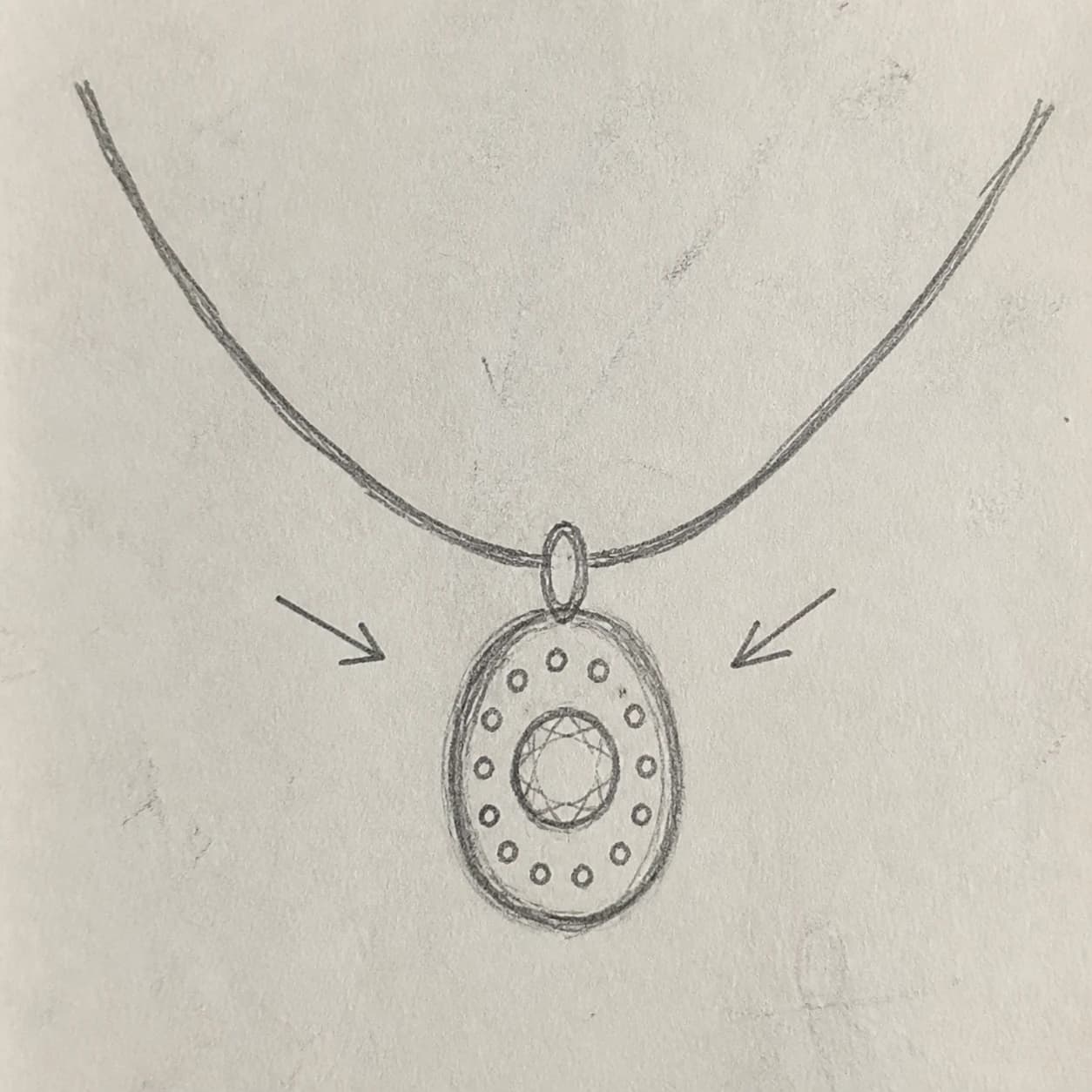
A photo, sketch, keepsake, or existing piece can show proportion, line, color, or meaning. It should guide the conversation rather than ask for an exact copy of another maker's work.
A thoughtful answer before the next step
Can Leyloon design jewelry from my photo, sketch, or drawing?
What matters here
Begin with an image you own or have permission to use. Point out the proportions, mood, fit, and details you want to keep or change so Leyloon can shape an original brief rather than promise a replica.
Real ways this can begin
Find the path that feels closest to yours
A hand sketch can establish an asymmetrical leaf outline while Atelier explores metal, stone, and scale alternatives.
Keep what you already know, then compare the open choices without starting over.
When the direction feels ready, start a design with these preferences and continue with the next open choice.
Compare the decision in context
Reference quality
A permitted photo or drawing is useful when one curve, proportion, texture, color relationship, or memory is easier to show than describe. Name what to keep, what to change, what the image cannot show, and any known dimensions or meaning in your private Atelier brief.
| Direction | Useful clue | Need | What still needs review |
|---|---|---|---|
| Photo | Visible proportion | What to change | Name what to keep, what to change, what the image cannot show, and any known dimensions or meaning in your private Atelier brief. |
| Sketch | Intent and layout | Scale | Name what to keep, what to change, what the image cannot show, and any known dimensions or meaning in your private Atelier brief. |
| Keepsake | Meaning | Wearable translation | Name what to keep, what to change, what the image cannot show, and any known dimensions or meaning in your private Atelier brief. |
| Mood image | Color and feeling | Piece direction | Name what to keep, what to change, what the image cannot show, and any known dimensions or meaning in your private Atelier brief. |
See how the choice changes
Three ways using an image as evidence, not a copying command can begin
These examples show how using an image as evidence, not a copying command may begin. They are planning scenarios, not customer stories or finished-piece promises.
Photo: one useful way to compare
The reference can reveal visible proportion. A permitted photo or drawing is useful when one curve, proportion, texture, color relationship, or memory is easier to show than describe.
- Direction
- Review what to change. Do not upload material you may not share or ask for an exact copy of another maker's protected work.
- Why it helps
- Name what to keep, what to change, what the image cannot show, and any known dimensions or meaning in your private Atelier brief.
Sketch: one useful way to compare
The reference can reveal intent and layout. Add the wearer, piece type, scale, placement, routine, comfort, and care so the reference becomes wearable rather than merely visual.
- Direction
- Review scale. A photograph offers context; it does not contain exact measurements, material proof, hidden construction, or permission to reproduce a complete design.
- Why it helps
- Add the wearer, piece type, scale, placement, routine, comfort, and care so the reference becomes wearable rather than merely visual.
Keepsake: one useful way to compare
The reference can reveal meaning. Name what to keep, what to change, what the image cannot show, and any known dimensions or meaning in your private Atelier brief.
- Direction
- Review wearable translation. Generate two original interpretations, keep the strongest permitted clue, and refine the direction that feels personally true.
- Why it helps
- A photograph offers context; it does not contain exact measurements, material proof, hidden construction, or permission to reproduce a complete design.
Questions people ask in plain language
Answers for using an image as evidence, not a copying command
Open the answer that helps with using an image as evidence, not a copying command. Each response stays tied to “Can Leyloon design jewelry from my photo, sketch, or drawing?”
Can I use any photo?
Only one you may share. Name what to keep, what to change, what the image cannot show, and any known dimensions or meaning in your private Atelier brief.
Can Leyloon copy it?
Create an original direction instead. Do not upload material you may not share or ask for an exact copy of another maker's protected work.
What view helps?
Clear top and side views. Add the wearer, piece type, scale, placement, routine, comfort, and care so the reference becomes wearable rather than merely visual.
Do I need dimensions?
They help. Name what to keep, what to change, what the image cannot show, and any known dimensions or meaning in your private Atelier brief.
Can I use a sketch?
Yes. Generate two original interpretations, keep the strongest permitted clue, and refine the direction that feels personally true.
Carry the useful details forward
Keep the brief clear when you continue
Begin with an image you own or have permission to use. Point out the proportions, mood, fit, and details you want to keep or change so Leyloon can shape an original brief rather than promise a replica.
Permission: Use an image you may share.
Keep: Name one exact detail.
Change: Name meaningful differences.
Wear: Add routine and comfort.
Scale: Include measurements when known.
Meaning: Explain the personal reason.
A visual map of this brief
See what stays known—and what remains open
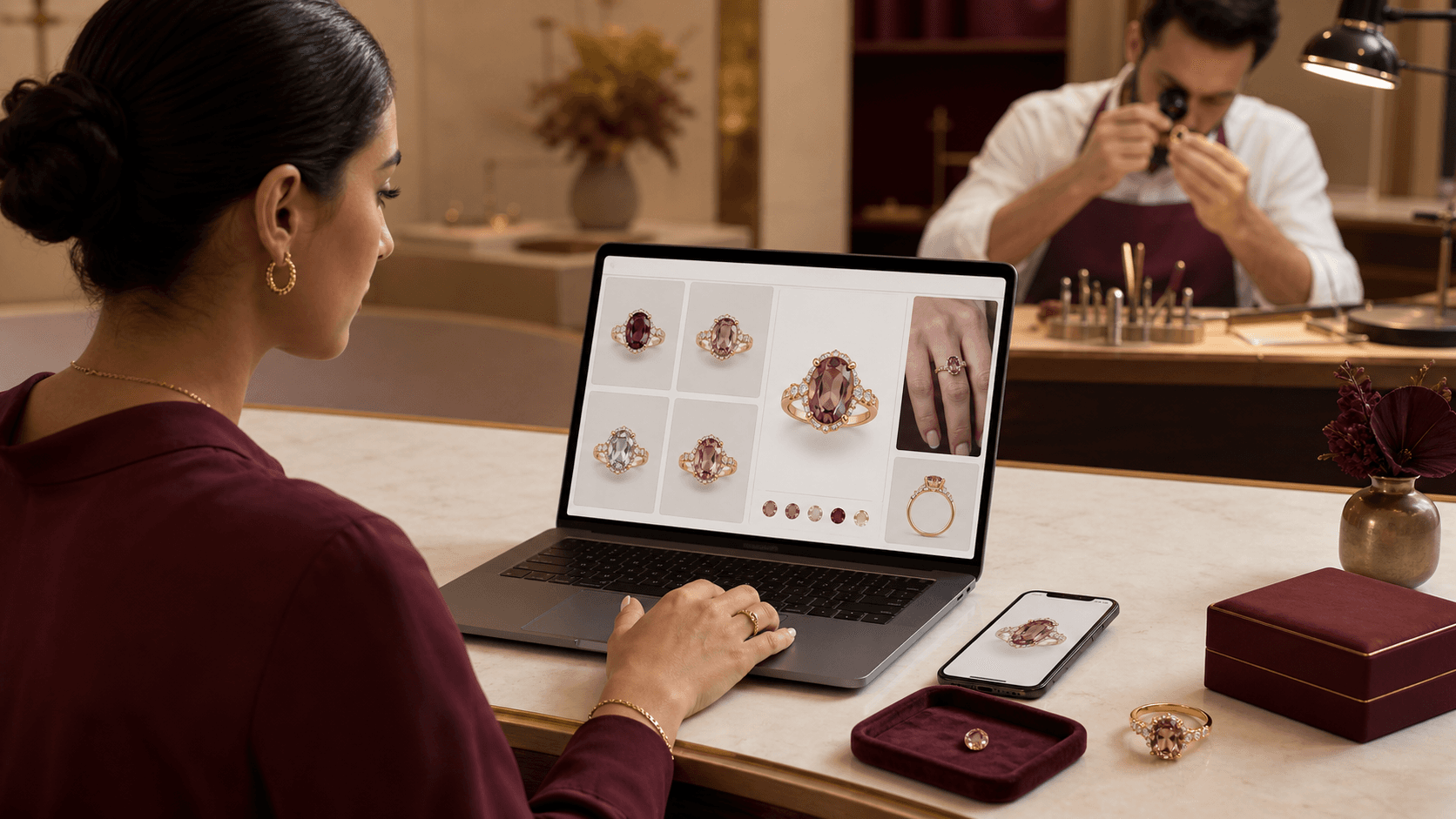
This guide begins with “Use a permitted image to explain what words cannot.” The next choices stay grouped, editable, and connected to that same Atelier brief.
- Ring settingChoose one coherent structure for the center setting.
- Stone shapeChoose the complete outline family you want to start from.
- MetalChoose the primary metal direction. Alloy, finish, wear, and exact construction remain reviewable.
- Visual characterPick the feeling you want the design to communicate.
Start with what matters on this page
Choose a clear starting direction
Choose what you know now. Every choice remains editable in Atelier, and you can leave anything else open.Published customer proof
Real experiences, kept separate from promises
Only approved purchase-linked reviews appear here. An illustrative scene is never presented as a customer, and one person’s experience is never treated as a promise for another piece.See what Leyloon customers have shared
Read recent shop reviews on Etsy, then come back when you are ready to shape your own custom jewelry direction.
These reviews reflect individual Leyloon service experiences. Your custom jewelry direction and quote request are reviewed on their own.