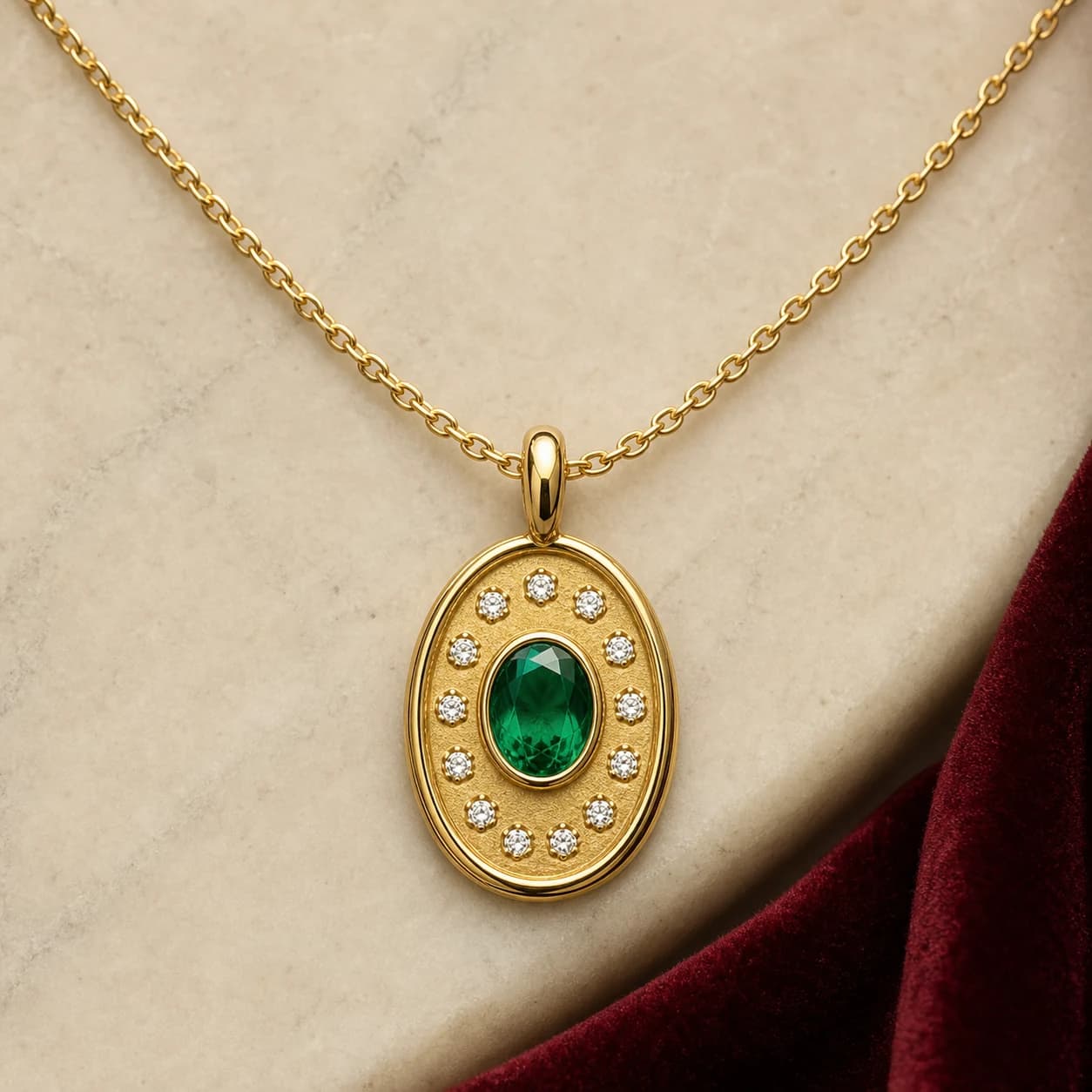
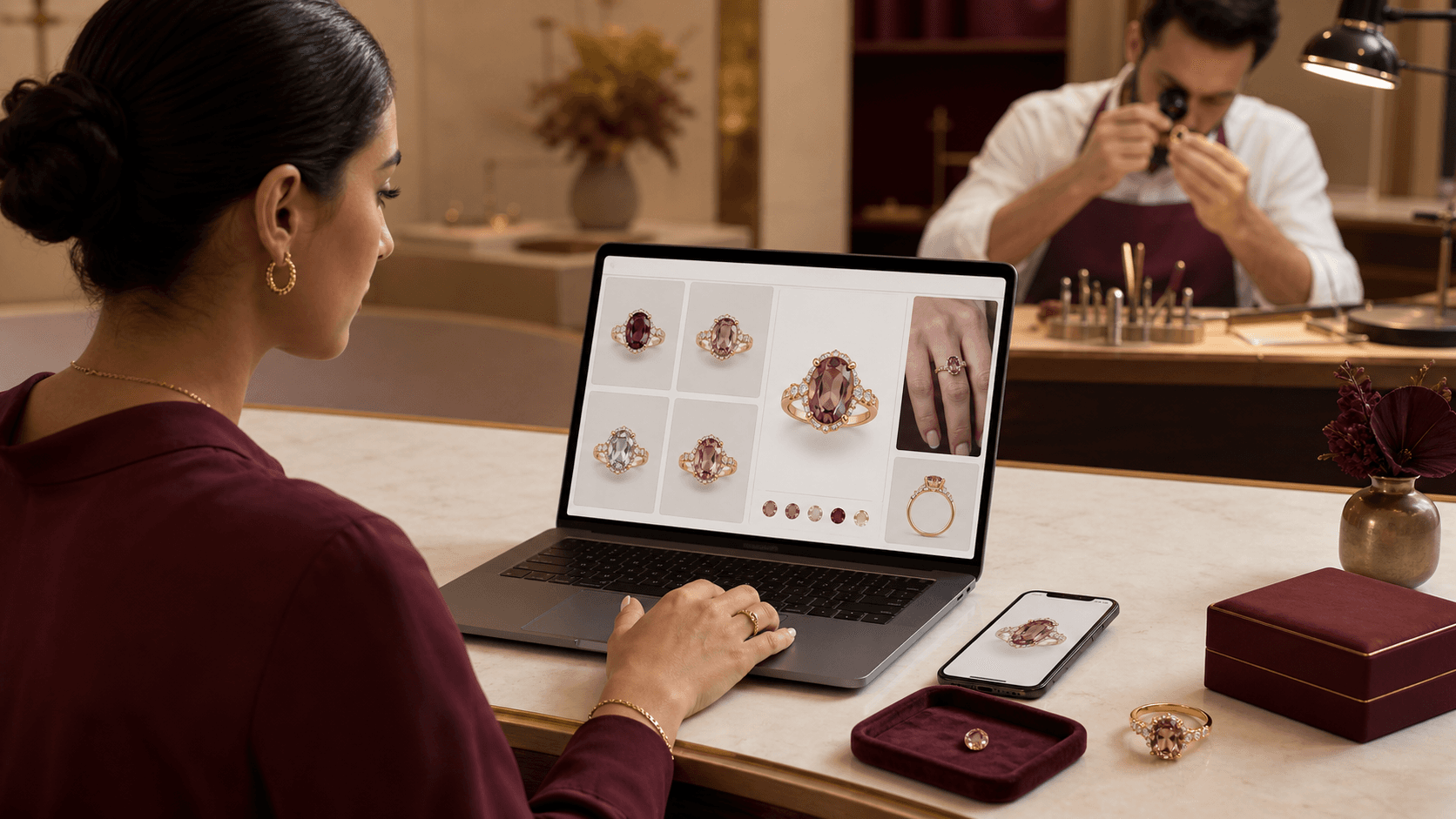
| 1. Permitted reference | Use only an image you are allowed to share. | Hold keep one visual clue steady while this choice changes. | Keep the image private, name the allowed clue, list the changes, and add any dimensions you know. This separates inspiration from a request to reproduce the source. |
|---|
| 2. Keep one visual clue | Name the curve, texture, proportion, or color relationship you enjoy. | Hold permitted reference steady while this choice changes. | Keep the image private, name the allowed clue, list the changes, and add any dimensions you know. This separates inspiration from a request to reproduce the source. |
|---|
| 3. Change the authorship-sensitive details | State how the new piece should become original and personal. | Hold keep one visual clue steady while this choice changes. | Translate the photograph into real-life needs: where the piece sits, how large it should feel, what catches or moves, and what the wearer does during an ordinary day. |
|---|
| 4. Daily-wear direction | Add the wearer's routine, comfort, movement, and care needs. | Hold permitted reference steady while this choice changes. | Translate the photograph into real-life needs: where the piece sits, how large it should feel, what catches or moves, and what the wearer does during an ordinary day. |
|---|