A clear place to begin
Bring the feeling and the details together before you choose a direction.
Start with the detail you genuinely know. The rest can stay open while the first direction takes shape.
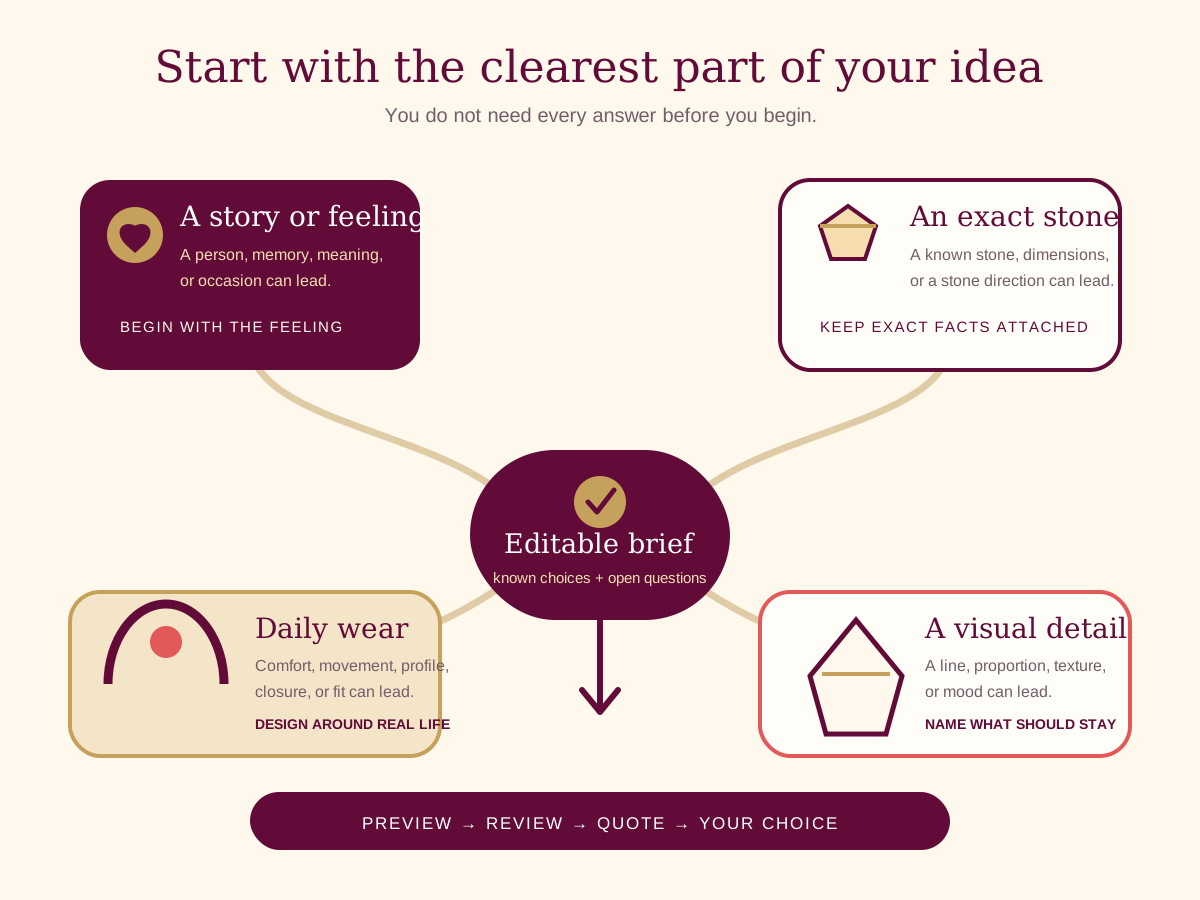
Choose a real starting point
Start with what you already know—not with a made-up ring brief.
Choose the piece first, then the one fact already in your hands. Atelier will open at the first unanswered detail, and everything stays editable.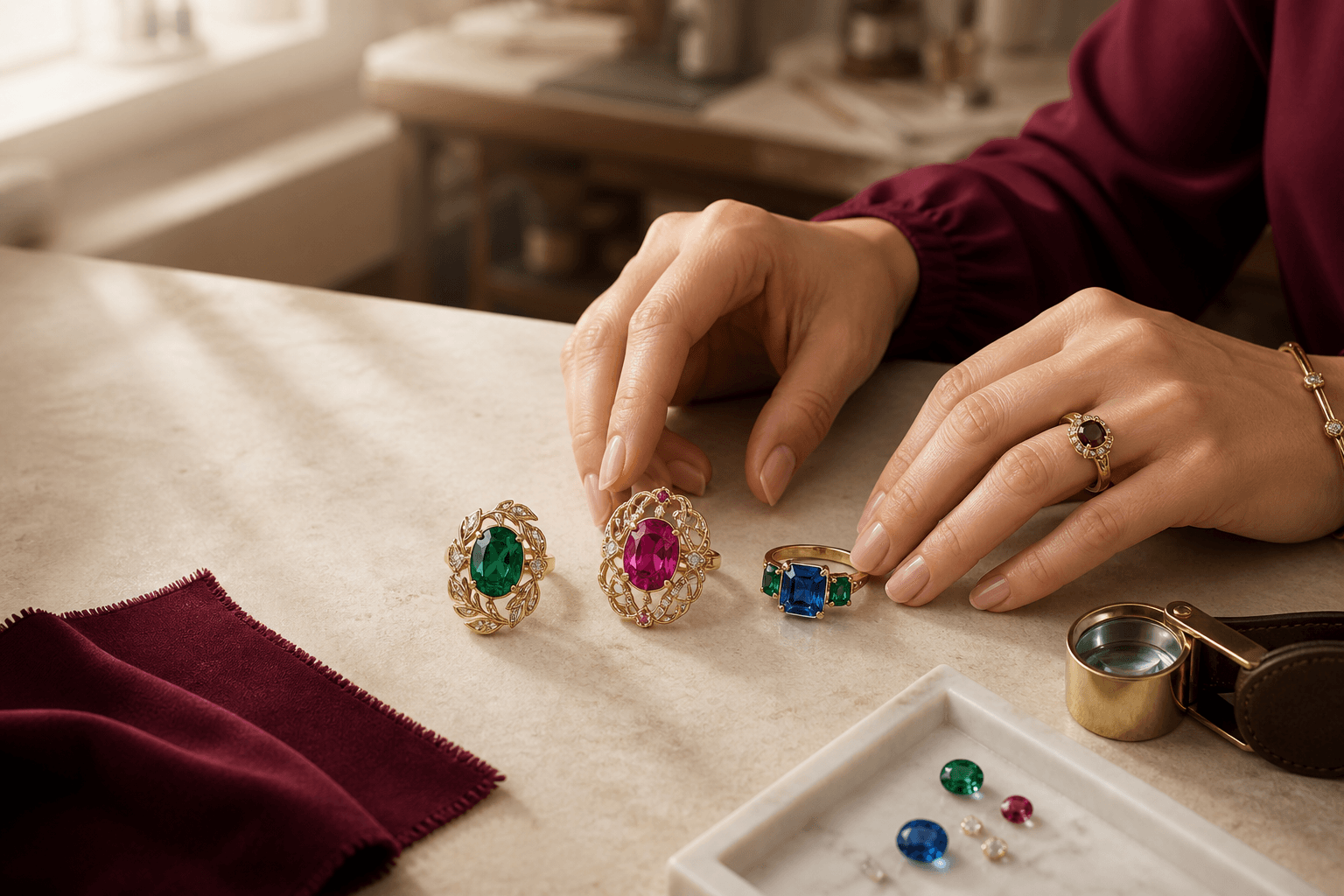
Your calm place to begin
How can a custom piece begin when I know only one detail?
Begin with the part that already feels clear: the person, the piece, a stone, a memory, a fit need, or one visual detail. You do not need to solve the whole design before you can see a useful direction.
Leyloon keeps the open questions visible, helps you shape a design preview, and reviews the important details with you before preparing a written quote. You choose whether you would like to buy and have the piece made.
Clarity before commitment
Know what this step can decide—and what stays open
What can this page help me decide?
- Which piece you want to explore first
- The one feeling or detail worth protecting
- Which question you want Leyloon to help answer next
What should stay open for Leyloon review?
- Exact stone, material, dimensions, and fit
- The final making details and written quote
- Whether you want to buy after review
Four honest starting points
Choose the clue that carries the most meaning
A useful beginning is specific enough to guide the first preview and gentle enough to leave room for discovery.
- A storyA person, place, memory, or milestoneName one detail that could carry that meaning
- A stoneAn exact stone or a color, shape, or origin directionKeep the setting and piece open until they suit it
- Daily wearComfort, movement, profile, closure, or fitLet the design grow around the real routine
- A visual detailA line, proportion, texture, or moodDescribe what to keep without copying a whole piece
A human example
A beginning that does not ask too much
You want a ring for an anniversary. The only certain detail is a quiet curve inspired by a shared place.
- Keep
- Keep the curve and the feeling behind it.
- Ask next
- Let the stone, profile, metal, fit, and budget remain open for the first design conversation.
Illustrative planning scenario—not a customer story or finished-piece promise.
Before you continue
A short checklist for this decision
Name the wearer and the kind of piece.
Choose one detail that must not get lost.
Add one everyday need or occasion clue.
Leave every uncertain choice clearly open.
The honest path forward
Preview, human review, written quote, your choice, then making
Each state answers a different question. Nothing here turns a visual direction into a final price, approval, purchase, or production step without the review and choice that belong between them.
- Share the beginning
Start with the clue you know in your own words.
- See a direction
Use a design preview to notice what feels right and what should change.
- Review the details
Leyloon reviews the exact stone, fit, materials, and making questions with you.
- Receive a written quote
A quote belongs to the reviewed direction and the choices included in it.
- Choose your next step
You decide whether to revise, pause, or buy and have Leyloon make the piece.
How this page stays grounded
First-party process and relevant independent guidance
Leyloon’s own guides describe the design and quote path. Independent sources are included only where they help with a specific rights, material, or pricing boundary.
Published customer proof
Real experiences, kept separate from promises
Only approved purchase-linked reviews appear here. An illustrative scene is never presented as a customer, and one person’s experience is never treated as a promise for another piece.See what Leyloon customers have shared
Read recent shop reviews on Etsy, then come back when you are ready to shape your own custom jewelry direction.
These reviews reflect individual Leyloon service experiences. Your custom jewelry direction and quote request are reviewed on their own.