Frame the face gently
Earring style begins with scale, movement, closure, and how the wearer wants to feel.
Notice the wearer’s proportions and routine, then compare an earring direction that feels natural for the moments it will share.
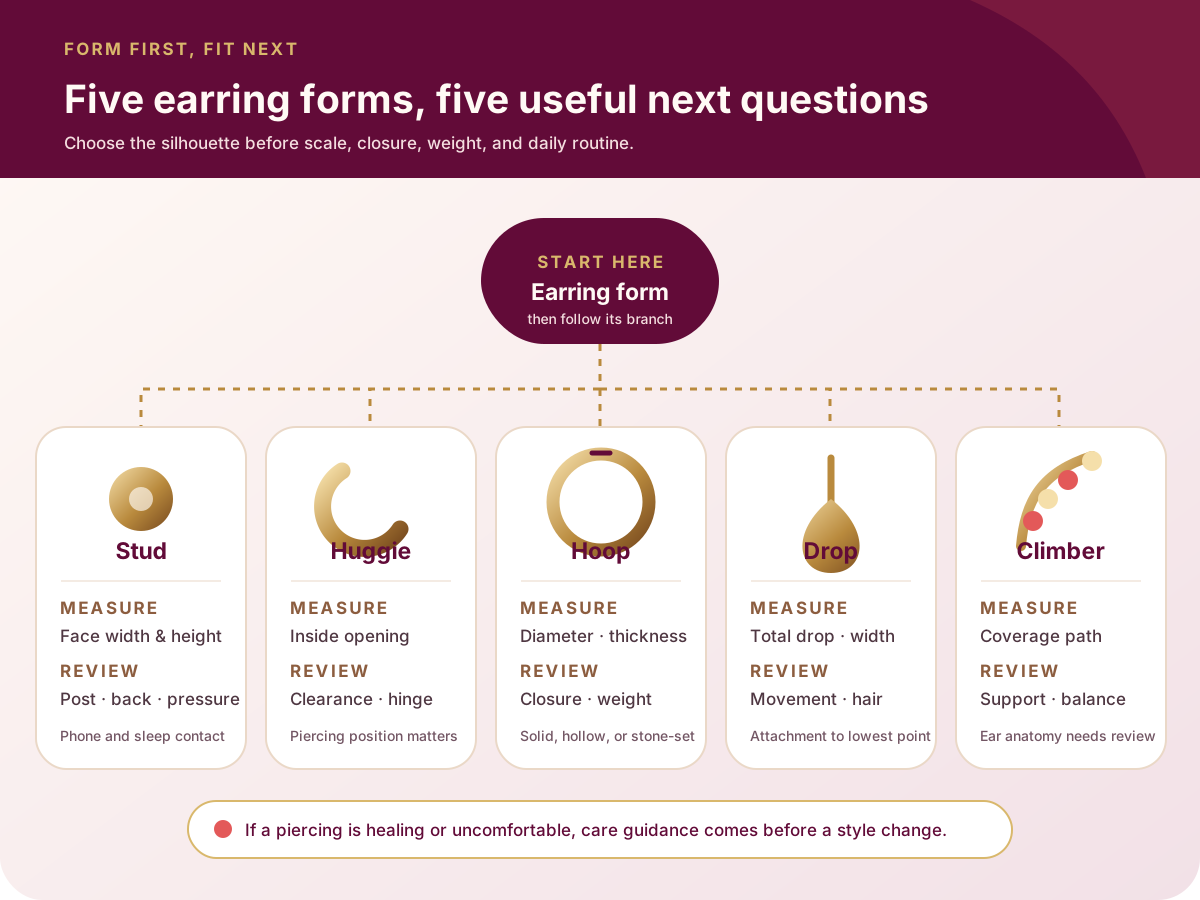
Earring form finder
Choose the silhouette first—then let routine and movement refine it.
Stud, huggie, hoop, drop, dangle, chandelier, climber, and threader are different constructions. This guide keeps the full group visible before asking for the next detail.Before this becomes a jewelry brief
Keep future design separate from a jewelry-change decision.
A design can be saved for later. It does not confirm that a piercing is ready for different jewelry.These details stay private in this browser and do not appear in the public link. Every choice remains editable in Atelier.
Earring form, fit & handling
Start with the earring form, then ask its fit questions
Shows stud, huggie, hoop, drop, and climber directions beside the different measurement, closure, and wear questions each one needs.
Start from the earring form and the way you will wear it, then move into size, back, material, or aftercare without mixing those decisions together.
Use this page when
- You are choosing among studs, hoops, drops, huggies, climbers, or statement earrings.
- You want size and closure guidance matched to a real wear routine.
Pause and choose another path when
- A new or distressed piercing needs aftercare or medical guidance first.
- You already know the exact form and want its working size tool.
Where this choice often matters
- Building a comfortable everyday earring direction.
- Choosing a wedding, anniversary, birthday, or self-gift pair.
Compare the details
Each form asks a different fit question
Start with the form you recognize; you can keep it editable while you answer the remaining fit questions.
| Form | Measure | Wear question | Next path |
|---|---|---|---|
| Stud | Face size and post | Back and pressure | Back comparison |
| Hoop / huggie | Inside/outside diameter | Clearance and closure | Hoop visualizer |
| Drop | Total drop and weight | Movement and hair | Size guide |
| Climber / statement | Coverage and support | Balance and attachment | Human review |
Questions worth asking
Open the concern that sounds like yours
Choose the question that sounds like yours. Each answer keeps the next step clear without closing decisions that still need review.
Which earring is best for daily wear?
The useful answer depends on piercing status, material, closure, weight, phone/hair contact, sleep, and routine.
Can I design before choosing the back?
Yes. Keep the style while closure remains an editable fit question.
Where should I start for a gift?
Use a known pair, scale clue, metal preference, and back preference rather than guessing from a generic style label.
Ready when you are
Carry this direction into your design
Leyloon can keep these choices together while you continue. Every detail stays editable. Your choices stay editable as you continue.
- Stud, hoop, drop, climber, or otherNeeded before the direction is complete
- Relevant measurement type and valueA useful next question
- Back or closureKeep it open if you are still deciding
- Exact metal directionKeep it open if you are still deciding
- Wear routine, contact, weight, and occasionKeep it open if you are still deciding

A visual map of this brief
See what stays known—and what remains open
This guide begins with “Choose earrings by how they frame the face and move through the day.” The next choices stay grouped, editable, and connected to that same Atelier brief.
- Before choosing earringsKeep the care question separate from the future design. This is private context, not a diagnosis or a promise that a piercing is ready for a jewelry change.
- Earring formChoose the complete silhouette family before scale and closure.
- How should the earrings feel in the look?Choose the visual presence first. Weight, exact dimensions, movement, and comfort still need review on the real design.
- Backing or closureChoose the closure as a separate comfort and security decision.
Published customer proof
Real experiences, kept separate from promises
Only approved purchase-linked reviews appear here. An illustrative scene is never presented as a customer, and one person’s experience is never treated as a promise for another piece.See what Leyloon customers have shared
Read recent shop reviews on Etsy, then come back when you are ready to shape your own wearable jewelry direction.
These reviews reflect individual Leyloon service experiences. Your wearable jewelry direction and quote request are reviewed on their own.