Buy from their bag
Loved ones can save pieces they want. Choose the right one, where it ships, and how to keep the surprise.
Loved ones and shared bagsBrowse jewelry, stones, or begin a custom design.
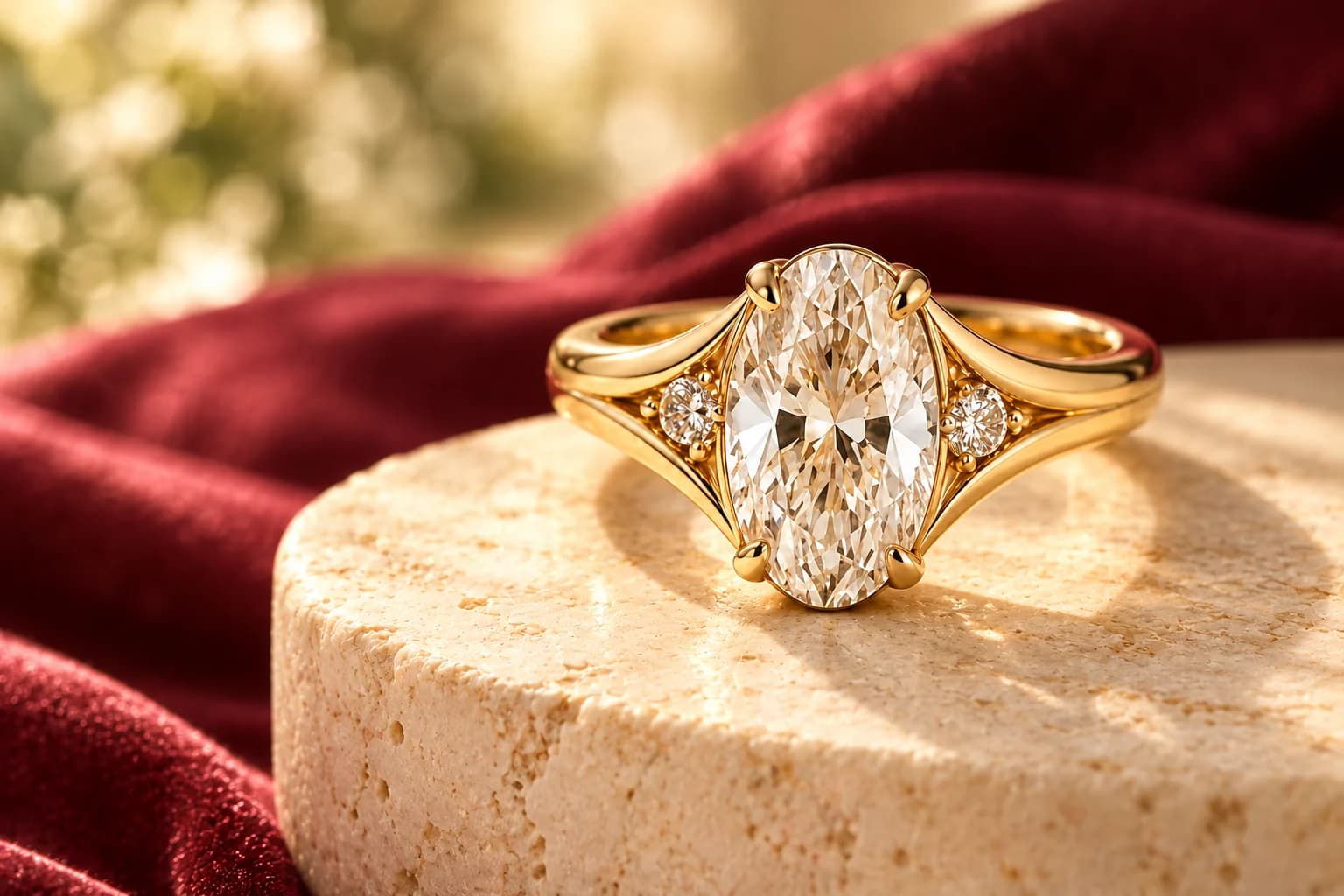
Begin with your idea.
Made personal
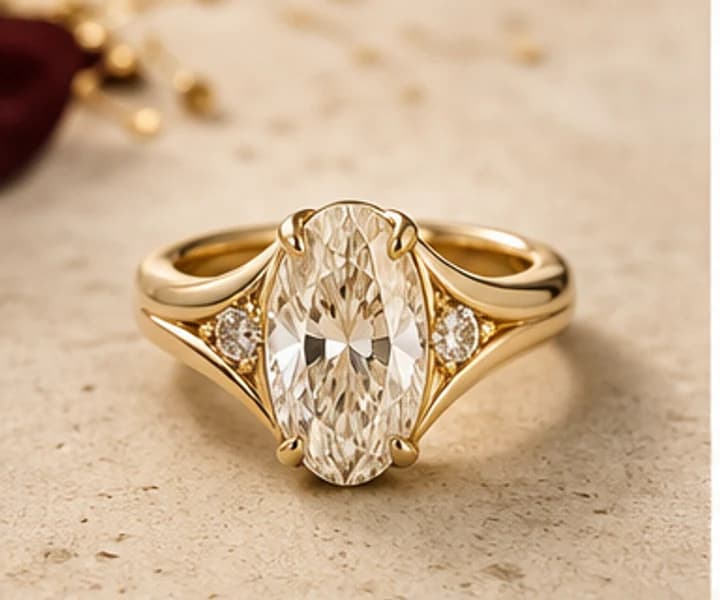
Illustrative directions. Details reviewed with you before a written quote.
Choose a next step
Begin with an idea, a current listed stone, or the person it is for. Leyloon keeps the path clear from the first choice to the quote.
Planning a gift or checking fit? Open your Profile Directory to manage your sizes and loved-one details. Profile tools may ask you to sign in.
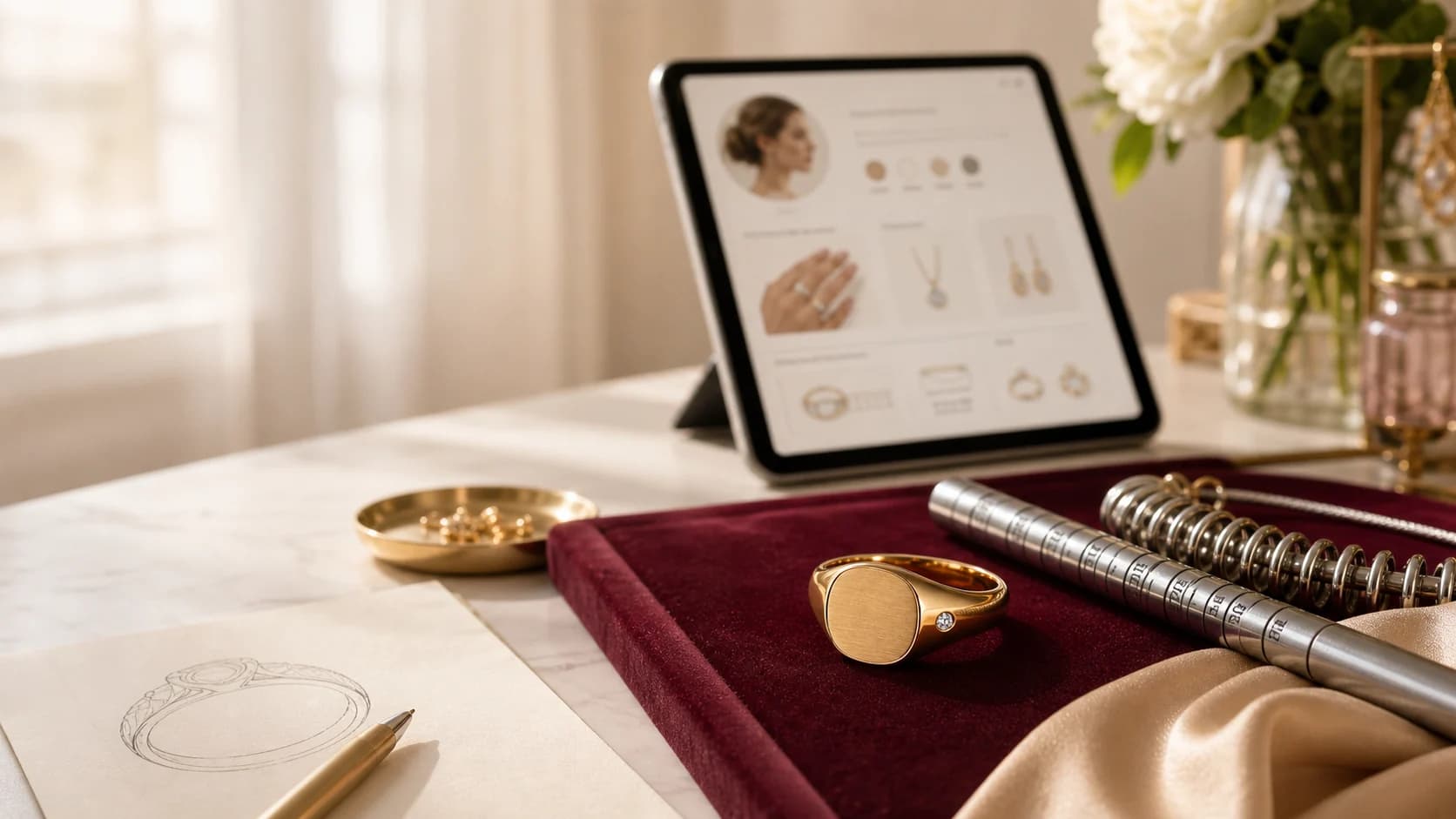 Design illustration
Giftable profiles
Save sizes, style hints, important dates, favorite designs, and bag picks so gifts do not depend on guessing or awkward questions.
Your profile controls what you share. Keep sizes and loved-one details together, then choose a personal direction when you are ready.
Open your Profile DirectoryChoose your next step
Shop pieces, compare current stone listings, design from a prompt, or choose from a loved one's shared bag. The quote, checkout, message, and order steps stay close to the path you choose.
Loved ones can save pieces they want. Choose the right one, where it ships, and how to keep the surprise.
Loved ones and shared bagsCompare current diamond listings, begin with a moissanite or gemstone direction, or ask Leyloon to review a specific stone around your brief.
Browse stonesBring an existing piece, setting, or gemstone. Leyloon can review a redesign, gemstone replacement, repair, or careful remake before quoting the work.
Ask about a pieceAfter checkout, see available updates, review photos or videos when requested, track shipping, and message Leyloon from the order.
View ordersThe atelier journey
The flow stays short at the beginning and becomes precise when the details matter: stones, sizes, metal, quote, checkout, and making.
Custom designs are reviewed in digital CAD. The hero example is an illustration, not a customer’s production model.
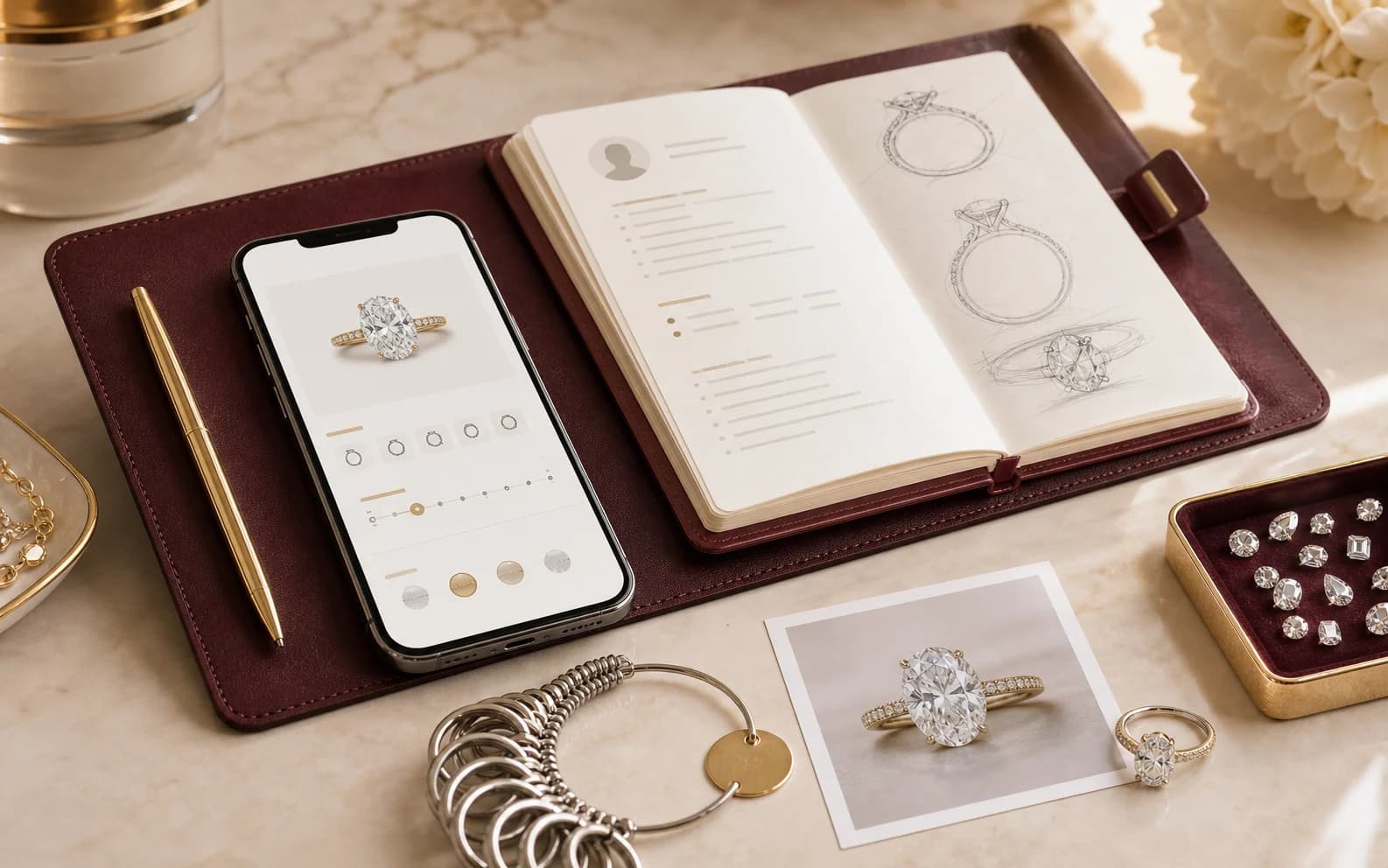
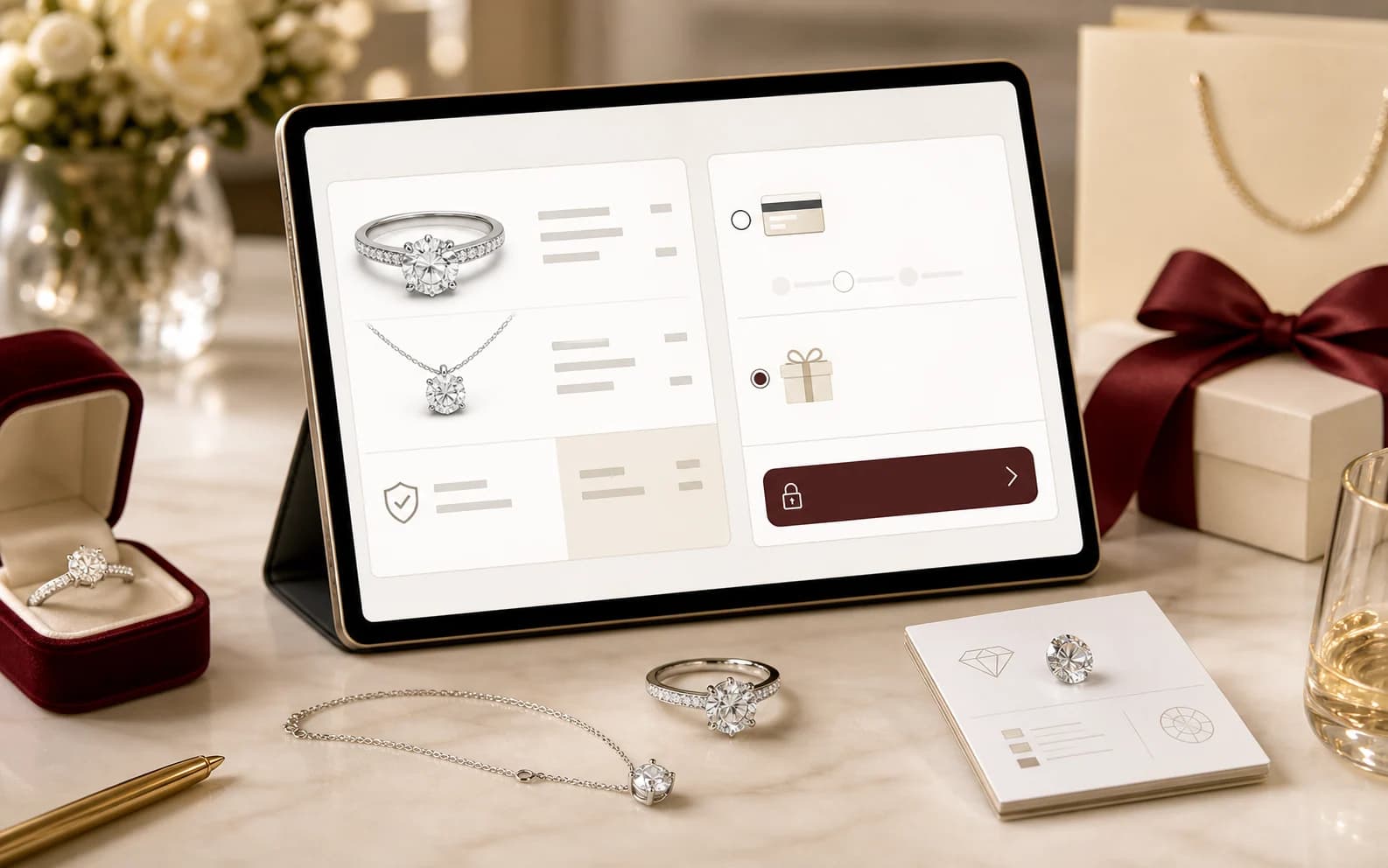

Begin with a sentence, reference image, saved profile, loved one, product, or stone search.
Atelier helps you find a first direction with answers, current stone listings when available, or design previews.
Keep a current listed stone or piece with your direction so Leyloon can review design, quote, or checkout details together.
Request quote review, confirm final scale and making details, then follow available order updates.
Custom design
Bring an idea, reference, or selected stone into Atelier.
Leyloon reviews custom details and prepares a quote before you decide.
Confirm the final design details before checkout and production decisions.
 Design illustration
Stone and metal direction
Explore 10K, 14K, and 18K gold in yellow, white, and rose tones, plus sterling silver, platinum, and two-tone directions while your stone, budget, and design brief stay together.
Leyloon reviews the stone and metal details with you before preparing a custom quote.
10K Yellow Gold direction
Choose a design directionAtelier chat
Start with a sentence, stone, image, occasion, or loved-one profile. Atelier answers the request in front of it, then keeps the active direction together as the conversation changes.
Keep what feels right, refine the details, and ask Leyloon to review your direction when you are ready.
Open Atelier Design illustration
The details that matter
Permission-controlled profiles, current stone details, human quote review, and connected order care help you make each decision with Leyloon.
Keep sizes, dates, styles, favorite pieces, and gift bags with the right person. Choose the profile details you share.
Open your profileCustom pricing, scale, materials, and final making details are reviewed before you choose whether to proceed.
See the quote pathOrder messages, available updates, requested approvals, shipping, and support stay connected.
Message LeyloonReview the policies and ask about the details that matter before choosing your next step.
Read our policiesFrom a public Etsy review
“This product looks exactly like the picture.”
Chae Chong · 07 Jan, 2026 · 5 stars
Read the public reviewA few useful details
A sentence, sketch, reference image, exact stone, or saved profile. Atelier helps shape the direction and next step.
Open AtelierWhen a current listing is available, review its details and any supplied grading report, then bring that selection into Atelier.
Browse stonesYes. Custom directions move to a reviewable quote before checkout, with final design and production details confirmed before commitment.
How quote requests workNo. The homepage opens Atelier for guests. Sign in only when you choose to keep work on your profile.
Open Profile DirectoryShare the piece and what you hope to change. Leyloon can review whether repair or redesign is a fit; scope and any quote need separate confirmation.
Ask about a pieceReady when you are
Tell Leyloon what you want, keep the pieces or current stones that matter, and request a quote when the direction feels right.
Start a designDesign illustration