Care first, style later
Keep the healing decision separate from choosing your next earring style.
A qualified piercer should guide the first change. When the piercing is ready, compare scale, weight, closure, and daily comfort without rushing the care decision.

Care answer before jewelry choices
Keep healing jewelry in unless qualified guidance says otherwise
Places the care answer before future style choices and routes uncertainty, required removal, resistance, or concerning changes to appropriate help.
Give a new piercing the quiet time it needs. Keep initial jewelry in while it heals, including overnight, unless a qualified piercer or clinician says your exact situation needs a change.
Use this page when
- You are wondering whether a new piercing can stay empty overnight.
- You want a calm care answer before thinking about a future earring style.
Pause and choose another path when
- There is worsening pain, heat, marked swelling, drainage, fever, embedding, or you feel unwell.
- You want one universal date that proves every piercing is healed.
Where this choice often matters
- The first nights after a new lobe or cartilage piercing.
- A medical or work situation where jewelry may need temporary removal.
Compare the details
What to do before removing starter jewelry
Healing varies by placement and person, so no date on this page can clear every piercing for overnight removal.
| Situation | Safer direction | Avoid | Who can help |
|---|---|---|---|
| Still healing | Leave initial jewelry in | Routine overnight removal | Qualified piercer |
| Must remove temporarily | Ask about an appropriate alternative | Forcing reinsertion later | Piercer or clinician |
| Worsening or concerning change | Seek medical advice promptly | Trying to assess it from a jewelry page | Clinician |
| Clearly healed | Change with clean hands and suitable jewelry | Assuming closure is impossible | Piercer if resistance occurs |
Questions worth asking
Open the concern that sounds like yours
Choose the question that sounds like yours. Each answer keeps the next step clear without closing decisions that still need review.
What if it looks healed outside?
A piercing can appear settled before the channel is fully healed, so use the original professional guidance.
Will it close in one night?
Shrinkage and closure vary; do not test a healing piercing by leaving it empty.
Can I put it back if there is resistance?
Do not force jewelry through. Ask a qualified piercer for help.
Care comes first
Settle the care question before choosing new jewelry
Once the piercing or care concern is resolved, you can return to the design path without guessing. Your choices stay editable as you continue.
- Future earring formA useful next question
- Future closure or backKeep it open if you are still deciding
- Exact material directionKeep it open if you are still deciding
- Only non-medical wear preferences after the care question is resolvedKeep it open if you are still deciding
Overnight readiness gate
Do not use sleep as a test of whether a piercing is healed.
The outside can look settled while the inside remains fragile. Starter-jewelry timing should come from the qualified piercer who can assess the placement.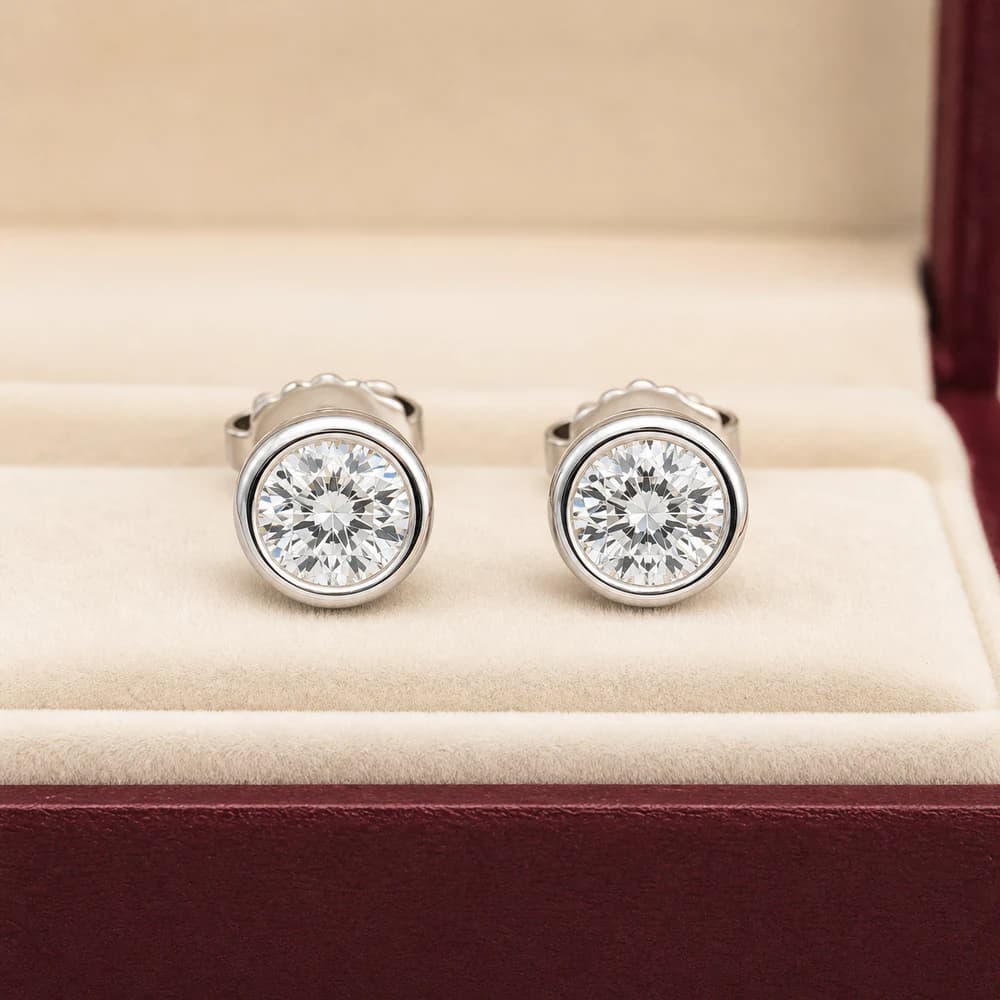
A visual map of this brief
See what stays known—and what remains open
This guide begins with “Do not use an overnight test to judge whether a new piercing is healed.” The next choices stay grouped, editable, and connected to that same Atelier brief.
- Before choosing earringsKeep the care question separate from the future design. This is private context, not a diagnosis or a promise that a piercing is ready for a jewelry change.
- What brought you to the overnight question?This note stays private and cannot decide whether a piercing is healed. Follow your piercer's instructions and seek qualified help when the timing is uncertain.
- Earring formChoose the complete silhouette family before scale and closure.
- Backing or closureChoose the closure as a separate comfort and security decision.
Published customer proof
Real experiences, kept separate from promises
Only approved purchase-linked reviews appear here. An illustrative scene is never presented as a customer, and one person’s experience is never treated as a promise for another piece.See what Leyloon customers have shared
Read recent shop reviews on Etsy, then come back when you are ready to shape your own jewelry question.
These reviews reflect individual Leyloon service experiences. Your jewelry question and quote request are reviewed on their own.