Give the meaningful choices room to breathe
Plan the engagement-ring journey around decisions, review, and your intended date.
Plan the checkpoints around your occasion without treating an example sequence as a production or delivery promise.

Plan checkpoints, not promises
Show where you are now and keep the occasion date private.
Allow time for exploration, human review, a written quote, your choice, and making. Exact timing is confirmed only after Leyloon reviews the ring you want.Keep each checkpoint distinct
- ExploreShape the ring direction.
- Review and quoteLeyloon checks the exact request.
- Choose and makeYou decide before production begins.
Details you may already know
Choose only what you already know.
Leave any detail blank when you are unsure. You can choose it later.Plan the decisions, not an imaginary deadline
When should I start planning an engagement ring?
Start when you can name the intended date or season and the choices that still need exploration. A thoughtful plan allows space for style and stone comparisons, design revisions, human review, a written quote, and your decision before making begins.
There is no one timeline that fits every ring. Share the date as planning context, ask Leyloon what is realistic for the reviewed request, and keep a simpler or more flexible direction visible if the date matters more than a particular custom detail.
- Moment
- The intended date, season, trip, or proposal context
- Choices
- What is settled and what still needs comparison
- Review
- The stone, fit, material, and making questions
- Flexibility
- Which parts of the plan can change if needed
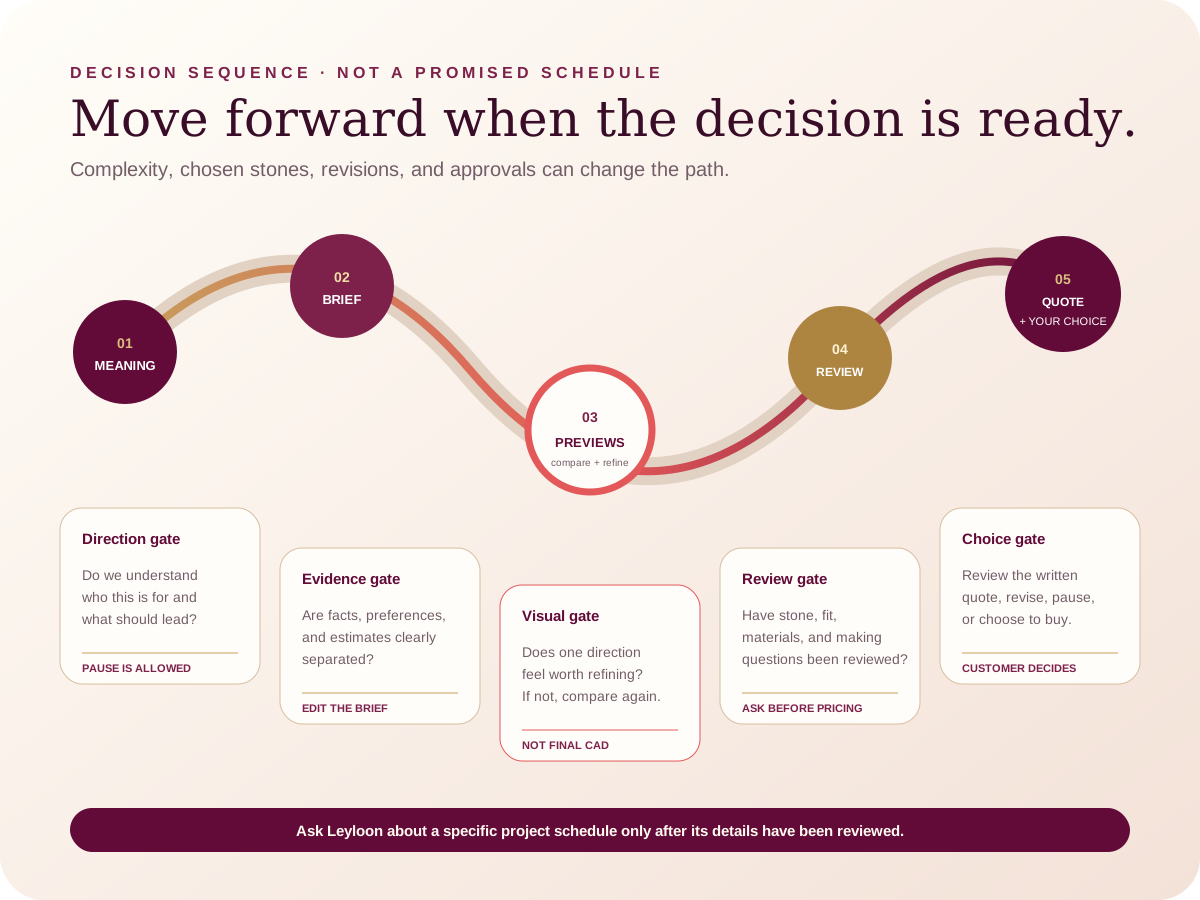
Let the date inform the route
Choose a planning posture without turning it into a promise
The right route depends on how much is known, how much exploration matters, and which parts of the moment can move.
| Planning posture | Useful when | Protect | Ask Leyloon |
|---|---|---|---|
| Exploration matters most | The design and stone direction are still open. | Time for controlled previews and thoughtful revisions. | Which choices should be settled before quote review? |
| The date matters most | A specific moment is less flexible than the design. | A clear priority list and a simpler backup direction. | What is realistic for this exact reviewed request? |
| The stone is already chosen | A current exact stone leads the ring. | Its identity, dimensions, and availability context. | What setting and review steps still remain? |
| The date is flexible | You would rather follow the strongest direction. | The preferred design and honest open questions. | When can timing be estimated after review? |
A calendar guide cannot confirm availability, production capacity, delivery, or an exact completion date for a request Leyloon has not reviewed.
Two human ways this decision can begin
See what to keep—and what can stay open
Illustrative planning example—not customer proof
A proposal trip is important
The trip date is fixed, but the ring style is still broad.
- Keep in the brief
- Keep the date visible and rank the few design qualities that matter most.
- Leave open
- Ask Leyloon what direction and review path is realistic before relying on the ring for that date.
Illustrative planning example—not customer proof
The ring matters more than one day
You want room to explore an unusual profile and personal detail.
- Keep in the brief
- Protect the design priorities and the wearer’s comfort.
- Leave open
- Treat the intended season as context until Leyloon reviews the request and shares any timing estimate.
Questions worth asking before you continue
Clear answers, without pushing you to decide too soon
Can I know exactly when my ring will arrive?
Not before Leyloon reviews the exact request and confirms what is realistic. For now, organize the open decisions and share the date you have in mind.
Should I rush the first design if my date is close?
Protect the few qualities that matter most and tell Leyloon the date early. A simpler direction may be worth comparing, but timing should be confirmed only after review.
When should I request a quote?
When one direction is clear enough for Leyloon to review the exact stone or criteria, fit, material, construction, included choices, and any date context.
Does requesting a quote begin production?
No. The written quote gives you reviewed options to consider. You choose whether to revise, pause, or buy before making begins.
A calm five-point check
Before you carry this direction into Atelier
Record the intended date or season and why it matters.
Separate fixed needs from flexible preferences.
Name the choices that still need a preview or comparison.
Share date context before relying on an estimate.
Wait for Leyloon’s request-specific review before treating timing as confirmed.
What happens after this page
Your direction remains yours at every step
A visual preview is not a finished specification, approval, price, or purchase. These five states keep the creative choice and the making decision clear.
- Share the moment
Add the intended date, place, or occasion as context.
- Set priorities
Choose what the ring must preserve and what can remain flexible.
- Explore efficiently
Compare only the directions that answer a real open question.
- Review the exact request
Leyloon reviews the design, stone, fit, material, and date context together.
- Consider the quote and timing
Any timing estimate belongs to the reviewed quote; you choose whether to proceed.
Sources and boundaries
What supports this guidance
Independent sources support technical or consumer-information boundaries. Leyloon sources explain Leyloon’s own design and quote path.
- GIA · 10 tips for buying an engagement ringIndependent education on the 4Cs, shape, lighting, metal, setting, ring size, seller choice, and grading reports.Accessed August 26, 2026 · Open independent source ↗
- Leyloon custom design journeyThe first-party sequence from a direction through review, written quote, customer choice, and making.Open Leyloon guide →
- Leyloon quote request guideThe first-party explanation of when request-specific price and timing information can be reviewed.Open Leyloon guide →
Published customer proof
Real experiences, kept separate from promises
Only approved purchase-linked reviews appear here. An illustrative scene is never presented as a customer, and one person’s experience is never treated as a promise for another piece.See what Leyloon customers have shared
Read recent shop reviews on Etsy, then come back when you are ready to shape your own custom jewelry direction.
These reviews reflect individual Leyloon service experiences. Your custom jewelry direction and quote request are reviewed on their own.