Keep the important choices in one place
Build a clear engagement-ring brief from the details you already know.
Sort must-haves, preferences, unknowns, and deal-breakers without turning an early thought into a final specification.
A working sheet, not a final order
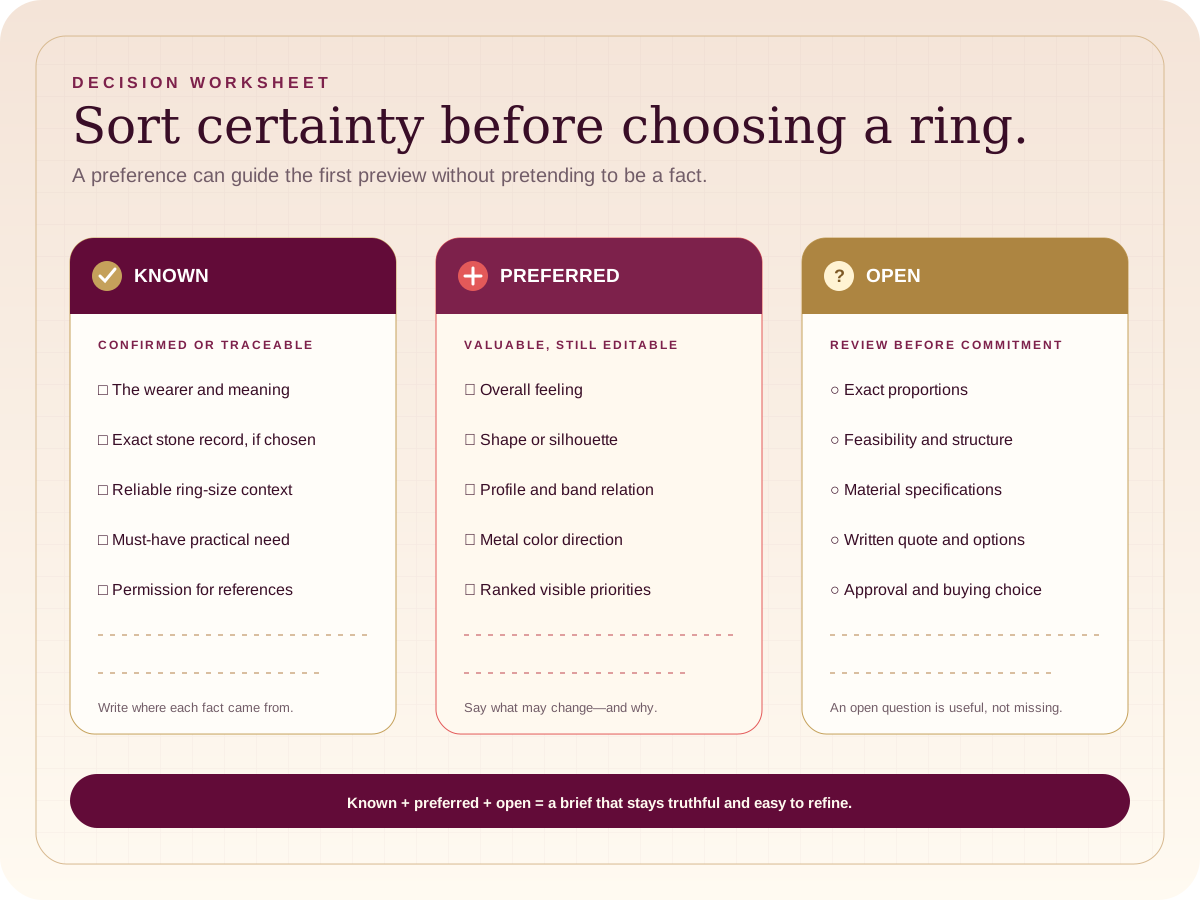
Separate what must stay from what can change or remain unknown.
Choose the kind of decision you are recording. The ring details you select can continue with you; every explanation and personal note stays private.Four different kinds of certainty
- Must keepProtect the heart of the direction.
- Can changeLet useful alternatives remain possible.
- Still unknownKeep it open instead of guessing.
Details you may already know
Choose only what you already know.
Leave any detail blank when you are unsure. You can choose it later.A brief that keeps the important things close
What should an engagement-ring decision worksheet include?
Keep six kinds of information together: the wearer, the moment, visual preferences, daily-wear needs, reliable size or stone evidence, and a comfortable budget direction. Mark every detail as chosen, preferred, estimated, or open.
A good worksheet does not produce a final ring by itself. It gives Atelier a clear beginning and helps Leyloon see which questions need human review before a written quote.
- Chosen
- An exact fact you want carried forward
- Preferred
- A direction you enjoy but may change
- Estimated
- A clue that still needs confirmation
- Open
- A question for comparison or review
Name the confidence, not only the answer
Give every worksheet detail the right level of certainty
This keeps a helpful clue from turning into a hidden promise or an unwanted constraint.
| Status | Use it for | Example | Next action |
|---|---|---|---|
| Chosen | A verified decision or exact reference. | The wearer wants yellow gold. | Carry it forward and keep it editable. |
| Preferred | A direction worth seeing. | An oval outline feels graceful. | Compare it with one controlled alternative. |
| Estimated | A clue that reduces uncertainty. | A borrowed ring suggests a possible size. | Keep the source and confirm before making. |
| Open | A question the next preview or reviewer should answer. | Low profile or more sculptural height? | Ask for a visible comparison. |
Keep private measurements, personal notes, and permitted references with your design direction as you continue. They are not shown in the link.
Two human ways this decision can begin
See what to keep—and what can stay open
Illustrative planning example—not customer proof
A brief for someone who knows the feeling
You know the ring should feel modern and gentle, but stone and setting terms are unfamiliar.
- Keep in the brief
- Mark the feeling as chosen and one elongated outline as preferred.
- Leave open
- Ask Atelier to compare profile and setting directions around the same wearer.
Illustrative planning example—not customer proof
A surprise with uncertain size
A ring borrowed from another finger offers a clue, not a confirmed fit.
- Keep in the brief
- Record the source, finger, hand, and uncertainty privately.
- Leave open
- Do not turn the estimate into a final making size before review.
Questions worth asking before you continue
Clear answers, without pushing you to decide too soon
Do I have to fill every part of the worksheet?
No. A clear open question is more useful than a confident guess. Complete only what you genuinely know or want to compare.
Can I save more than one preference?
Yes. Keep a small, ranked set and explain what each option changes. That makes the previews easier to compare.
Should I include my budget in a link I share?
No. Add personal budget context only while working privately with Leyloon. A shared link should never reveal it.
Does completing the worksheet request a quote?
No. It prepares a direction. You request a quote only after a design feels worth Leyloon’s review.
A calm five-point check
Before you carry this direction into Atelier
Name the wearer, occasion, and piece.
Mark each detail chosen, preferred, estimated, or open.
Rank one must-keep visual or emotional priority.
Keep private measurements and personal details out of public links.
End with the single question the next preview should answer.
What happens after this page
Your direction remains yours at every step
A visual preview is not a finished specification, approval, price, or purchase. These five states keep the creative choice and the making decision clear.
- Gather
Bring the person, moment, visual clues, wear needs, and evidence together.
- Label certainty
Separate chosen facts from preferences, estimates, and open questions.
- Open Atelier
Carry the useful context into the first unanswered engagement-ring step.
- Refine one direction
Keep the brief steady while changing one meaningful detail at a time.
- Ask for review and quote
Leyloon reviews the exact request before preparing a written quote for you to consider.
Sources and boundaries
What supports this guidance
Independent sources support technical or consumer-information boundaries. Leyloon sources explain Leyloon’s own design and quote path.
- GIA · engagement-ring questions to considerIndependent guidance for organizing shape, style, setting, stone-quality, and budget priorities before comparing a diamond ring.Accessed August 26, 2026 · Open independent source ↗
- Leyloon custom jewelry brief builderThe first-party framework for keeping must-keep, flexible, and open details distinct.Open Leyloon guide →
Published customer proof
Real experiences, kept separate from promises
Only approved purchase-linked reviews appear here. An illustrative scene is never presented as a customer, and one person’s experience is never treated as a promise for another piece.See what Leyloon customers have shared
Read recent shop reviews on Etsy, then come back when you are ready to shape your own custom jewelry direction.
These reviews reflect individual Leyloon service experiences. Your custom jewelry direction and quote request are reviewed on their own.