Design together or let each ring keep its voice
Compare a coordinated bridal set with two rings chosen in their own time.
A bridal set can plan fit and proportion together. Separately chosen rings can preserve more contrast and flexibility, provided their profiles and daily wear still work beside each other.
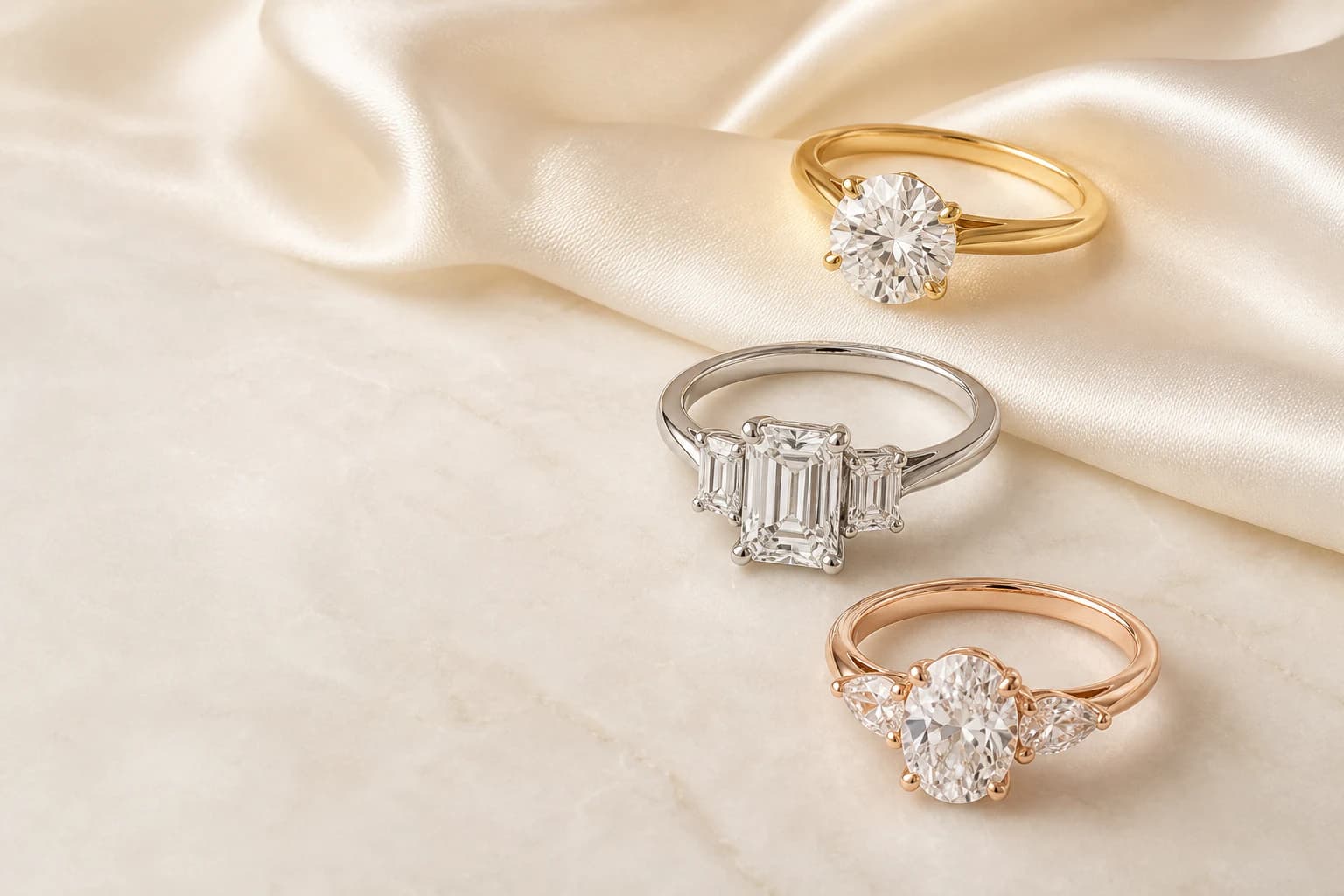
A thoughtful answer before the next step
Is a bridal set better than choosing the rings separately?
What matters here
Compare known fit, design unity, flexibility, future stacking, timing, and how much each ring should stand alone. Front and side silhouettes can make the difference easier to see.
Real ways this can begin
Find the path that feels closest to yours
A bridal set may suit someone who wants a planned contour, while separately chosen rings can let each milestone and ring retain its own character.
Keep what you already know, then compare the open choices without starting over.
When the direction feels ready, start a design with these preferences and continue with the next open choice.
Compare the decision in context
Compare three useful directions for bridal sets versus separately chosen rings
There is no automatic winner. Compare how “Designed bridal set,” “Chosen separately,” and “Coordinated later” answer the same practical needs.
| Direction | Designed bridal set | Chosen separately | Coordinated later |
|---|---|---|---|
| Works well when | Shape, spacing, and motifs should read as one planned pair. | Each ring marks its own moment and can stand alone. | The engagement ring is set and a custom band can respond to it. |
| Reason to reconsider | Each ring needs strong independence or future flexibility. | The engagement-ring profile makes later fit uncertain. | No exact measurements, photos, or profile evidence are available. |
| Keep in the brief | Choose planned set, independent rings, or a later coordinated band. | State whether space is welcome, neutral, or unwanted. | Compare comfort and proportion across both rings. |
| Review before choosing | Choose matching, mixed, or repeated accent metal. | Repeat a curve, finish, engraving, edge, or stone rhythm. | Leave room for anniversary or milestone additions if desired. |
See how the choice changes
Three ways choosing coordinated certainty or independent flexibility can begin
These examples show how choosing coordinated certainty or independent flexibility may begin. They are planning scenarios, not customer stories or finished-piece promises.
When “Designed bridal set” may fit
Shape, spacing, and motifs should read as one planned pair.
- Direction
- Begin with the “Designed bridal set” option, then compare it with “Chosen separately” while the rest of the piece stays steady.
- Why it helps
- This keeps the leading priority clear. Before choosing, check whether each ring needs strong independence or future flexibility.
Why “Chosen separately” is worth comparing
Each ring marks its own moment and can stand alone.
- Direction
- Place the “Chosen separately” option beside “Designed bridal set” and “Coordinated later” so the tradeoff stays visible.
- Why it helps
- This comparison shows what chosen separately adds without hiding whether the engagement-ring profile makes later fit uncertain.
Before choosing “Coordinated later”
The engagement ring is set and a custom band can respond to it.
- Direction
- Keep the “Coordinated later” option in the design long enough to test it against “Designed bridal set” and “Chosen separately.”
- Why it helps
- Keeping this direction visible lets you test it honestly. Review whether you still lack exact measurements, photos, or profile evidence are available before deciding.
Questions people ask in plain language
Answers for choosing coordinated certainty or independent flexibility
Open the answer that helps with choosing coordinated certainty or independent flexibility. Each response stays tied to “Is a bridal set better than choosing the rings separately?”
Should I begin with designed bridal set, chosen separately, or coordinated later?
Choose how much coordination you want, preview the rings together and apart, and keep spacing and future additions explicit.
When does designed bridal set make sense for the pair?
A set is good when the pairing itself is central; separate selection is good when tastes, timing, budget direction, or future milestones should remain flexible.
What could make designed bridal set less comfortable or practical?
Reconsider a fixed set when future additions or independent wear matter, and reconsider separate buying when the engagement-ring profile makes band fit difficult.
How should daily wear change a designed bridal set pairing?
Two rings can rub, shift, trap debris, or feel wider together. Review contact points, combined width, fit, and care as one daily-wear system.
Which fit and contact details should stay with designed bridal set?
Before continuing, review these three details together: choose planned set, independent rings, or a later coordinated band; state whether space is welcome, neutral, or unwanted; and compare comfort and proportion across both rings. You can adjust each one again in Atelier.
Carry the useful details forward
Keep the brief clear when you continue
Compare known fit, design unity, flexibility, future stacking, timing, and how much each ring should stand alone. Front and side silhouettes can make the difference easier to see.
Choose planned set, independent rings, or a later coordinated band.
State whether space is welcome, neutral, or unwanted.
Compare comfort and proportion across both rings.
Choose matching, mixed, or repeated accent metal.
Repeat a curve, finish, engraving, edge, or stone rhythm.
Leave room for anniversary or milestone additions if desired.

A visual map of this brief
See what stays known—and what remains open
This guide begins with “Decide whether the pair should be solved together or allowed to grow in stages.” The next choices stay grouped, editable, and connected to that same Atelier brief.
- Ring settingChoose one coherent structure for the center setting.
- Profile and stack relationshipCompare the side view, comfort, and neighboring-band relationship—not only the top view.
- Band structureChoose the complete shank or neighboring-band direction.
- MetalChoose the primary metal direction. Alloy, finish, wear, and exact construction remain reviewable.
Start with what matters on this page
Choose a clear starting direction
Choose what you know now. Every choice remains editable in Atelier, and you can leave anything else open.Published customer proof
Real experiences, kept separate from promises
Only approved purchase-linked reviews appear here. An illustrative scene is never presented as a customer, and one person’s experience is never treated as a promise for another piece.See what Leyloon customers have shared
Read recent shop reviews on Etsy, then come back when you are ready to shape your own setting direction.
These reviews reflect individual Leyloon service experiences. Your setting direction and quote request are reviewed on their own.