Compare the gold direction
Karat is one part of choosing a gold piece; color, construction, wear, and care matter too.
Compare the exact alloy, finish, design, and routine rather than treating one karat as the answer for everyone. Leyloon can review how the choice fits your direction.
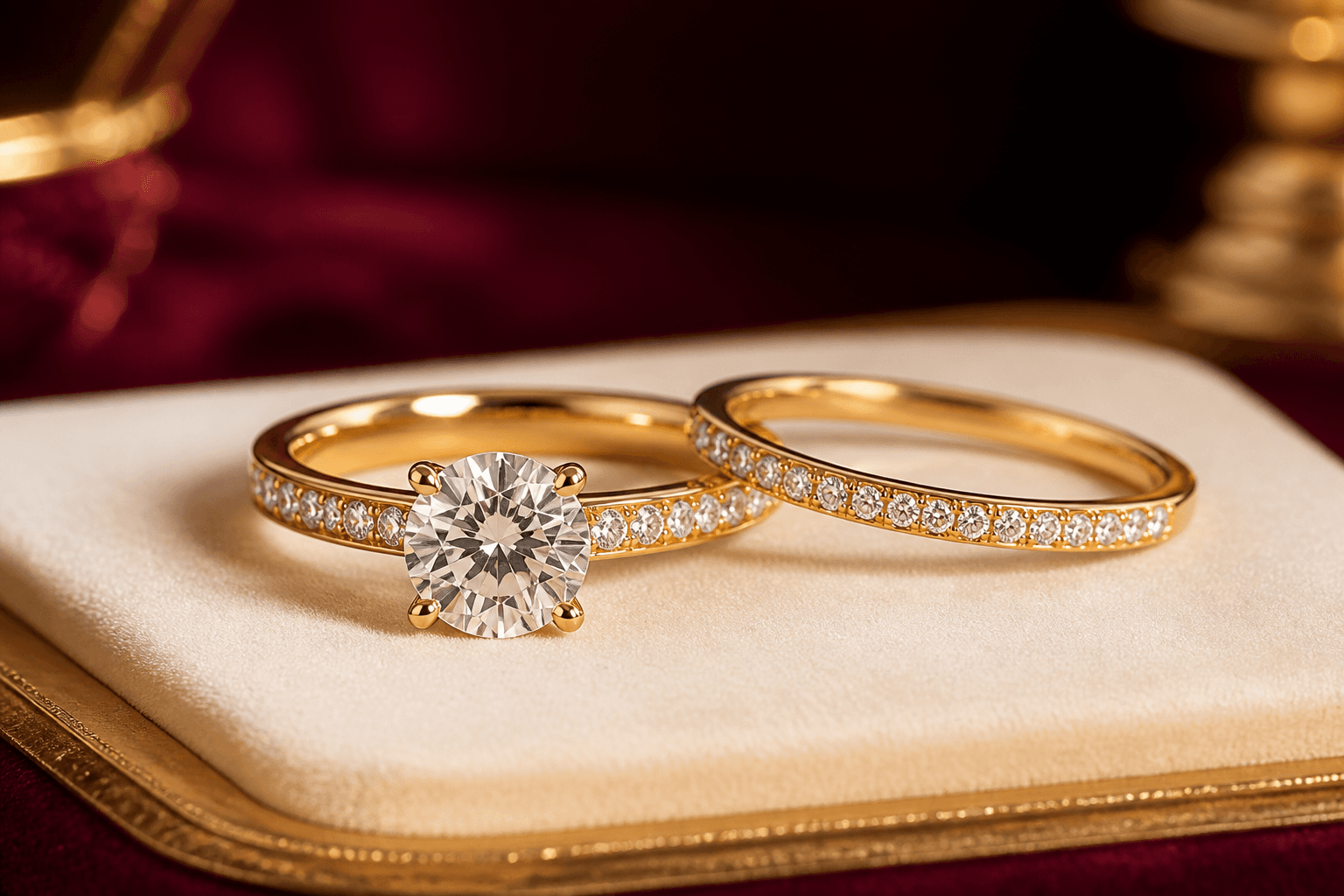
Fit, wear & care—considered together
A clearer decision, with the important context kept beside it
10K, 14K, and 18K describe gold proportion. Tone, wear, sensitivity, finish, and suitability still depend on the exact alloy and the piece being made.
Use this page when
- You are comparing gold directions for a ring, earrings, necklace, bracelet, or pendant.
- You want karat, color, finish, routine, and exact alloy kept as separate decisions.
Pause and choose another path when
- You want one karat called universally strongest, safest, or best value.
- You assume the same karat has identical color and behavior from every alloy or maker.
Where this choice often matters
- Choosing gold for an everyday engagement ring or wedding band.
- Balancing richer gold color with the construction and routine of a gift or heirloom-style piece.
Compare the details
Gold proportion is only the first comparison
The comparison does not rank allergy response or durability without the exact alloy and construction.
| Direction | Gold proportion | Ask about | Keep open until review |
|---|---|---|---|
| 10K | 10 parts of 24 | Exact alloy and intended use | Tone, finish, availability, quote |
| 14K | 14 parts of 24 | Piece construction and routine | Exact alloy and surface behavior |
| 18K | 18 parts of 24 | Color direction and design needs | Exact alloy and wear review |
| Unsure | No karat chosen | Piece, color, routine, sensitivity question | Leyloon options for the request |
Keep your direction organised
The complete choice groups for this decision
10K, 14K, and 18K describe gold proportion. Tone, wear, sensitivity, finish, and suitability still depend on the exact alloy and the piece being made. The groups below keep related choices together, and every selection stays editable when you continue.
Which gold proportion are you exploring?
Choose one direction.
- 10KKeep exact alloy open.
- 14KKeep exact alloy open.
- 18KKeep exact alloy open.
- Compare for my pieceLet the construction and routine guide review.
What should guide the comparison?
Keep every direction that fits.
- ColorCompare under the same neutral light.
- Wear routineDescribe hands-on work, contact, and frequency.
- FinishPolished, matte, textured, or open.
- Material sensitivity questionRequest exact alloy disclosure without a guarantee.
Questions worth asking
Open the concern that sounds like yours
Choose the question that sounds like yours. Each answer keeps the next step clear without closing decisions that still need review.
Is 18K too soft for every everyday ring?
No universal answer fits every alloy, geometry, setting, and routine. Review the exact design.
Is 10K automatically less likely to scratch?
Wear depends on the complete alloy, finish, construction, and use—not the karat number alone.
Can I decide color and karat separately?
Yes. Keep both editable because yellow, white, and rose directions vary with alloy and finish.
Ready when you are
Carry this direction into your design
Leyloon can keep these choices together while you continue. Every detail stays editable. Your choices stay editable as you continue.
- 10K, 14K, 18K, or compareNeeded before the direction is complete
- Gold color or mixed-metal directionA useful next question
- Surface finishKeep it open if you are still deciding
- Piece type, wear routine, sensitivity question, and exact-alloy reviewKeep it open if you are still deciding
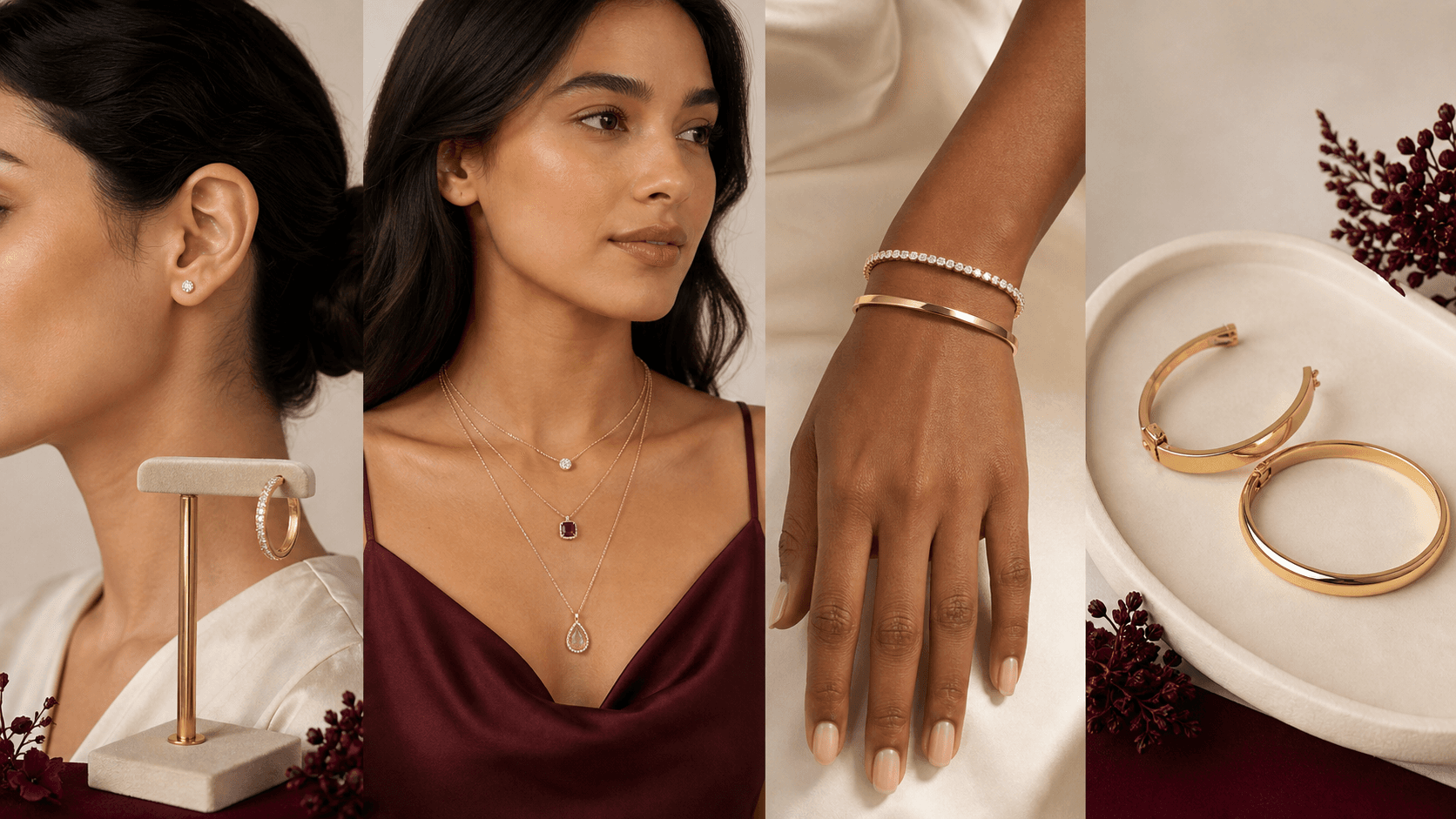
A visual map of this brief
See what stays known—and what remains open
This guide begins with “Compare gold karats in the context of the exact piece.” The next choices stay grouped, editable, and connected to that same Atelier brief.
- Piece to designChoose one piece. The following questions adapt inside Atelier.
- Gold karat directionKarat is one part of the alloy decision. Keep the exact specification and quote open for review.
- Gold colorCompare the same design in the colors you enjoy. Exact alloy and finish still need review.
- Surface finishChoose how you want the surface to catch light. Wear and maintenance depend on the exact piece.
Start with what matters on this page
Choose the piece before comparing gold karat
Hold one design steady. Then compare karat, color, and finish without treating one label as universally best.Published customer proof
Real experiences, kept separate from promises
Only approved purchase-linked reviews appear here. An illustrative scene is never presented as a customer, and one person’s experience is never treated as a promise for another piece.See what Leyloon customers have shared
Read recent shop reviews on Etsy, then come back when you are ready to shape your own custom jewelry direction.
These reviews reflect individual Leyloon service experiences. Your custom jewelry direction and quote request are reviewed on their own.