Match the metal to the day
Everyday durability is a conversation about the exact metal, construction, care, and routine.
There is no single best metal for every wearer or design. Compare the same piece across materials and discuss the moments that will ask the most of it.
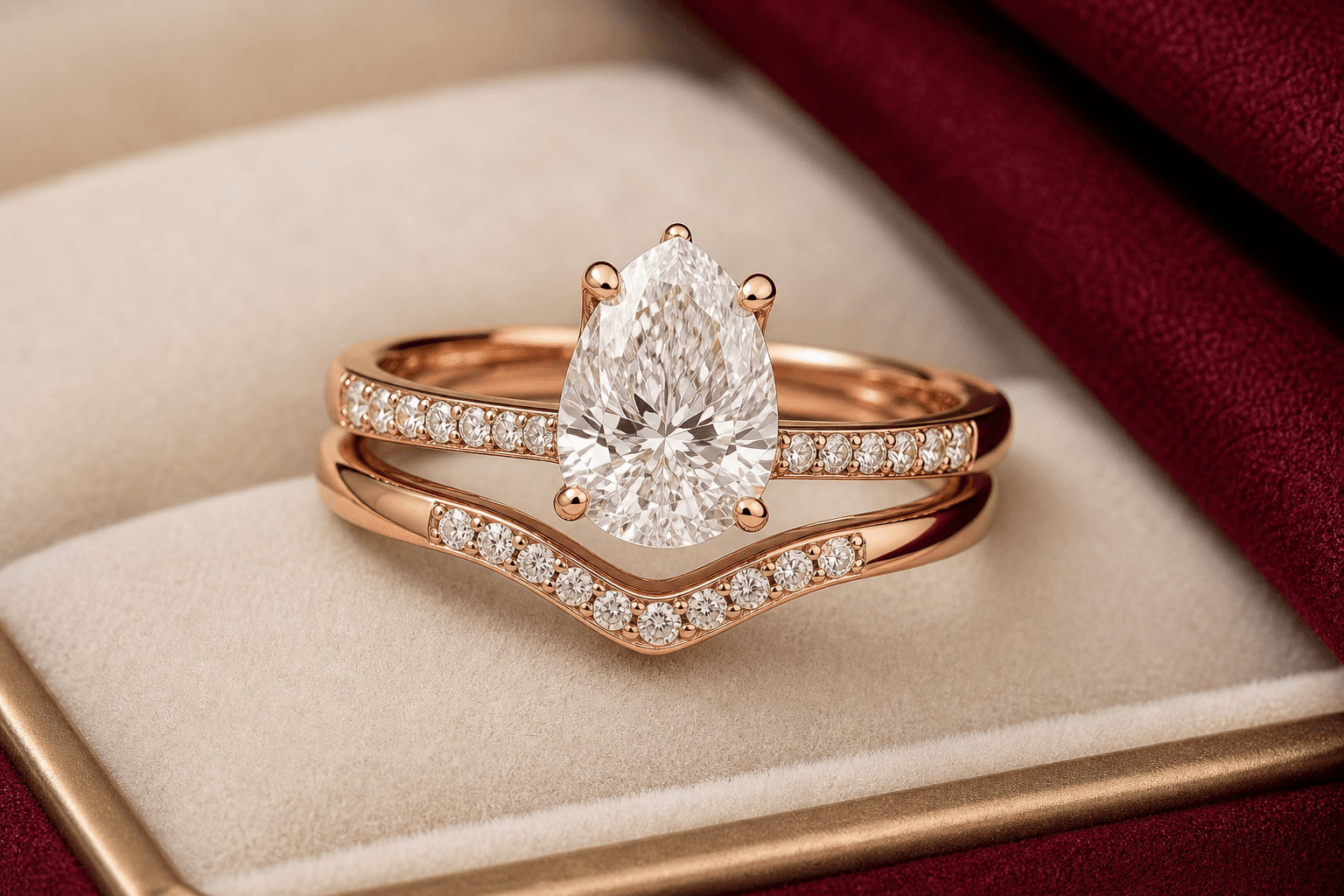
Fit, wear & care—considered together
A clearer decision, with the important context kept beside it
Everyday durability is not one hardness score. It includes wear, bending, finish change, construction, maintenance, repair, and what the exact piece meets each day.
Use this page when
- You are choosing a metal for frequent wear around work, water, chemicals, impact, or exercise.
- You want to compare ring use with earrings, necklaces, pendants, bracelets, or occasional pieces.
Pause and choose another path when
- You want an indestructible or maintenance-free material.
- You are ranking family names without the exact alloy, dimensions, finish, setting, and construction.
Where this choice often matters
- Planning an everyday wedding band or engagement ring.
- Choosing a daily pendant, bracelet, or earring pair with realistic care expectations.
Compare the details
Durability follows the piece and routine
Compare the expected care for the exact piece and routine; no material name can promise a lifetime outcome.
| Wear context | Main question | Design response to explore | Review |
|---|---|---|---|
| Hands-on ring wear | Impact, grip, chemicals, repeated contact | Protected profile and suitable construction | Exact alloy, width, setting |
| Bracelet or bangle | Desk, edge, movement, opening | Construction and fit that limit unnecessary movement | Closure/opening and dimensions |
| Necklace or pendant | Chain load, snagging, clasp action | Matched chain, bail, and clasp | Weight and connection points |
| Earrings | Weight, phone, hair, closure | Balanced form and reviewed back | Exact post and wear routine |
Keep your direction organised
The complete choice groups for this decision
Everyday durability is not one hardness score. It includes wear, bending, finish change, construction, maintenance, repair, and what the exact piece meets each day. The groups below keep related choices together, and every selection stays editable when you continue.
What will the piece meet?
Keep every direction that fits.
- Hands-on workGrip, tools, and impact.
- Desk and device contactRepeated surface wear.
- Water or chemicalsName the real exposure.
- Exercise or movementConsider removal and snagging.
What matters most?
Keep every direction that fits.
- How the surface changesCompare finish and maintenance.
- Shape retentionReview dimensions and construction.
- Future repair or sizingKeep lifecycle options visible.
- Weight feelCompare the actual design.
Questions worth asking
Open the concern that sounds like yours
Choose the question that sounds like yours. Each answer keeps the next step clear without closing decisions that still need review.
What is the strongest jewelry metal?
That question is incomplete without the piece, alloy, geometry, finish, and type of stress.
Can I wear it in water every day?
Review the exact metal, finish, stones, assembly, water type, and supplied care before deciding.
Does scratching mean the metal failed?
Surface change can be part of wear, while bending, cracks, loose settings, or failing closures need separate inspection.
Ready when you are
Carry this direction into your design
Leyloon can keep these choices together while you continue. Every detail stays editable. Your choices stay editable as you continue.
- Piece type and wear purposeNeeded before the direction is complete
- Metal options to compareNeeded before the direction is complete
- Finish directionA useful next question
- Relevant width, thickness, or fitKeep it open if you are still deciding
- Actual contact, water/chemical exposure, maintenance, and future-service needsKeep it open if you are still deciding
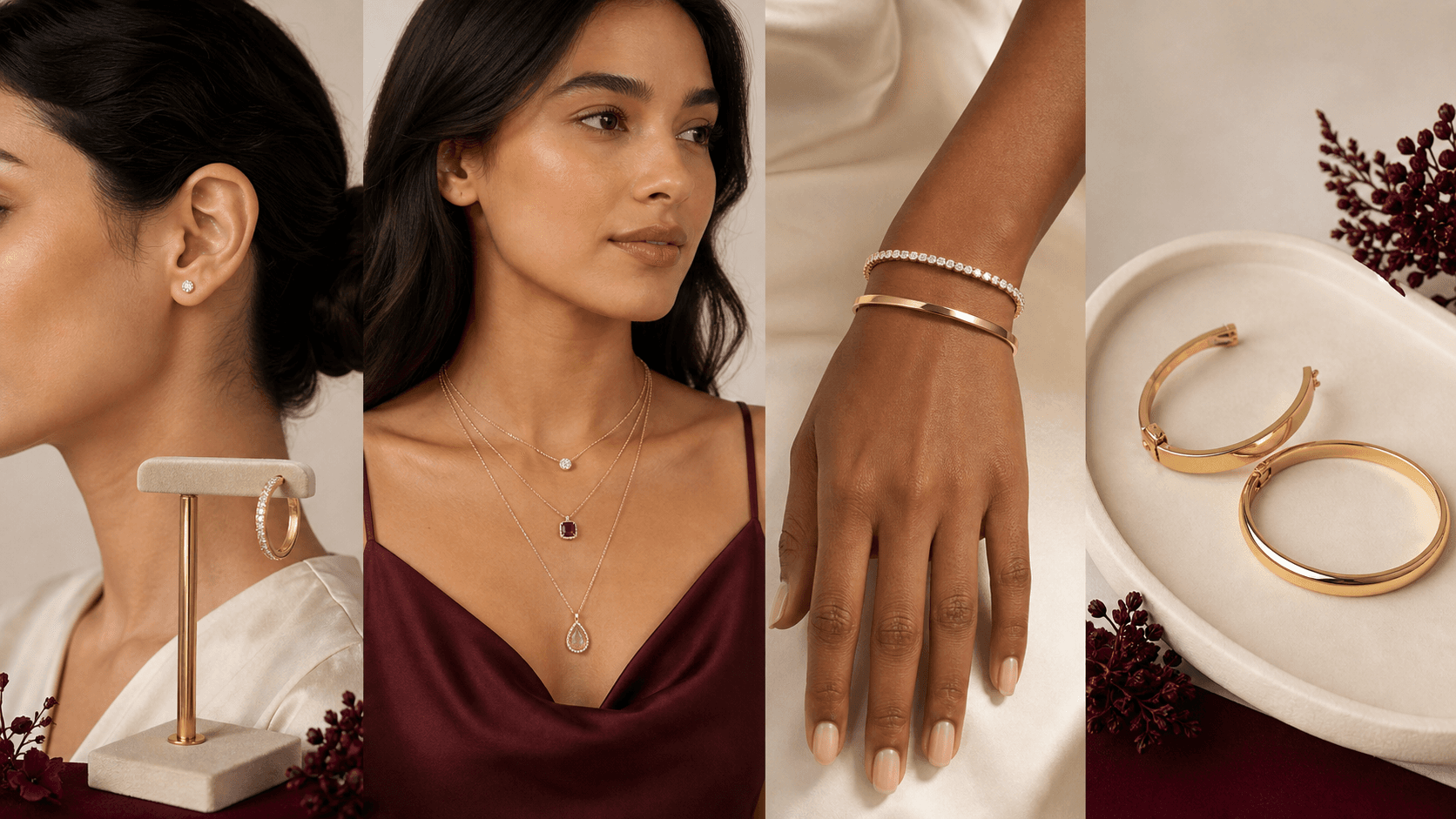
A visual map of this brief
See what stays known—and what remains open
This guide begins with “Everyday durability belongs to the exact piece and your real routine.” The next choices stay grouped, editable, and connected to that same Atelier brief.
- Ring settingChoose one coherent structure for the center setting.
- Stone shapeChoose the complete outline family you want to start from.
- MetalChoose the primary metal direction. Alloy, finish, wear, and exact construction remain reviewable.
- Visual characterPick the feeling you want the design to communicate.
Start with what matters on this page
Choose a clear starting direction
Choose what you know now. Every choice remains editable in Atelier, and you can leave anything else open.Published customer proof
Real experiences, kept separate from promises
Only approved purchase-linked reviews appear here. An illustrative scene is never presented as a customer, and one person’s experience is never treated as a promise for another piece.See what Leyloon customers have shared
Read recent shop reviews on Etsy, then come back when you are ready to shape your own custom jewelry direction.
These reviews reflect individual Leyloon service experiences. Your custom jewelry direction and quote request are reviewed on their own.