LeyloonJewelry AtelierAI Jewelry

AI-Assisted Engagement Ring Design

A calm engagement-ring design guide that turns meaning, lifestyle, stone, setting, metal, profile, fit, and band-pairing choices into a reviewable concept without treating a generated image as a finished ring.

At a glance

Inside this guide

  1. What this guide covers
  2. Shape the engagement-ring brief
  3. Move from story to a checked concept
  4. The image is a direction, not the ring
  5. Engagement-ring concept questions

Begin with the wearer and the decision, then describe the stone, setting, metal, profile, size, band pairing, and care priorities. Use AI-assisted imagery to compare directions, and place human stone and construction review before any quote or making step.

A calm engagement-ring design guide that turns meaning, lifestyle, stone, setting, metal, profile, fit, and band-pairing choices into a reviewable concept without treating a generated image as a finished ring.

What this guide covers

  • Describe the wearer, meaning, routine, style direction, and decisions that are still open.
  • Build one bounded concept brief and compare what the image communicates or leaves unresolved.
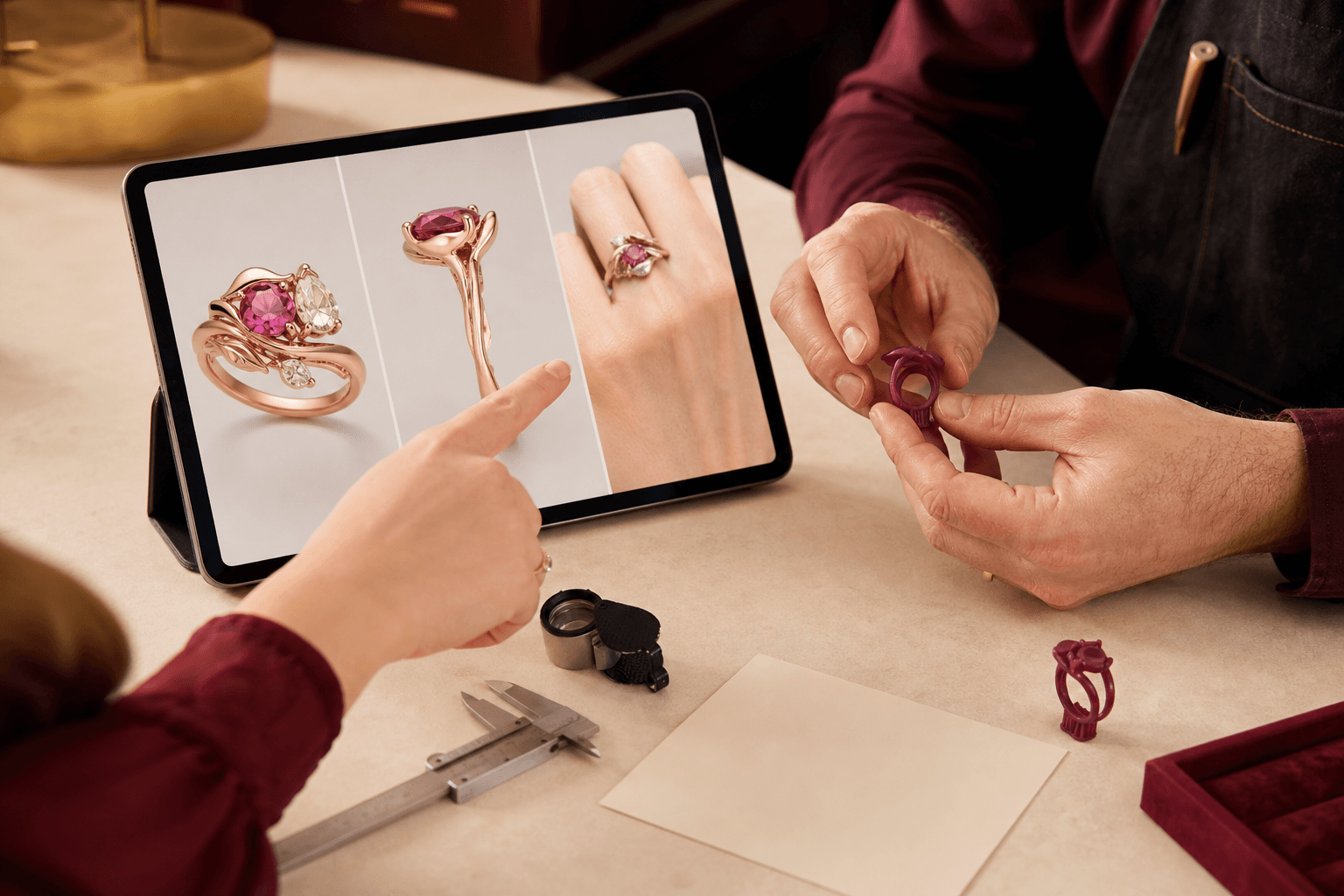
  • Have a human reviewer check the exact stone, dimensions, fit, construction, rights, and quote scope.

Shape the engagement-ring brief

A strong brief makes the emotional direction visible while leaving room for the practical questions that protect the wearer and the piece.

  • Meaning, daily routine, style references you may use, and details that should not appear.
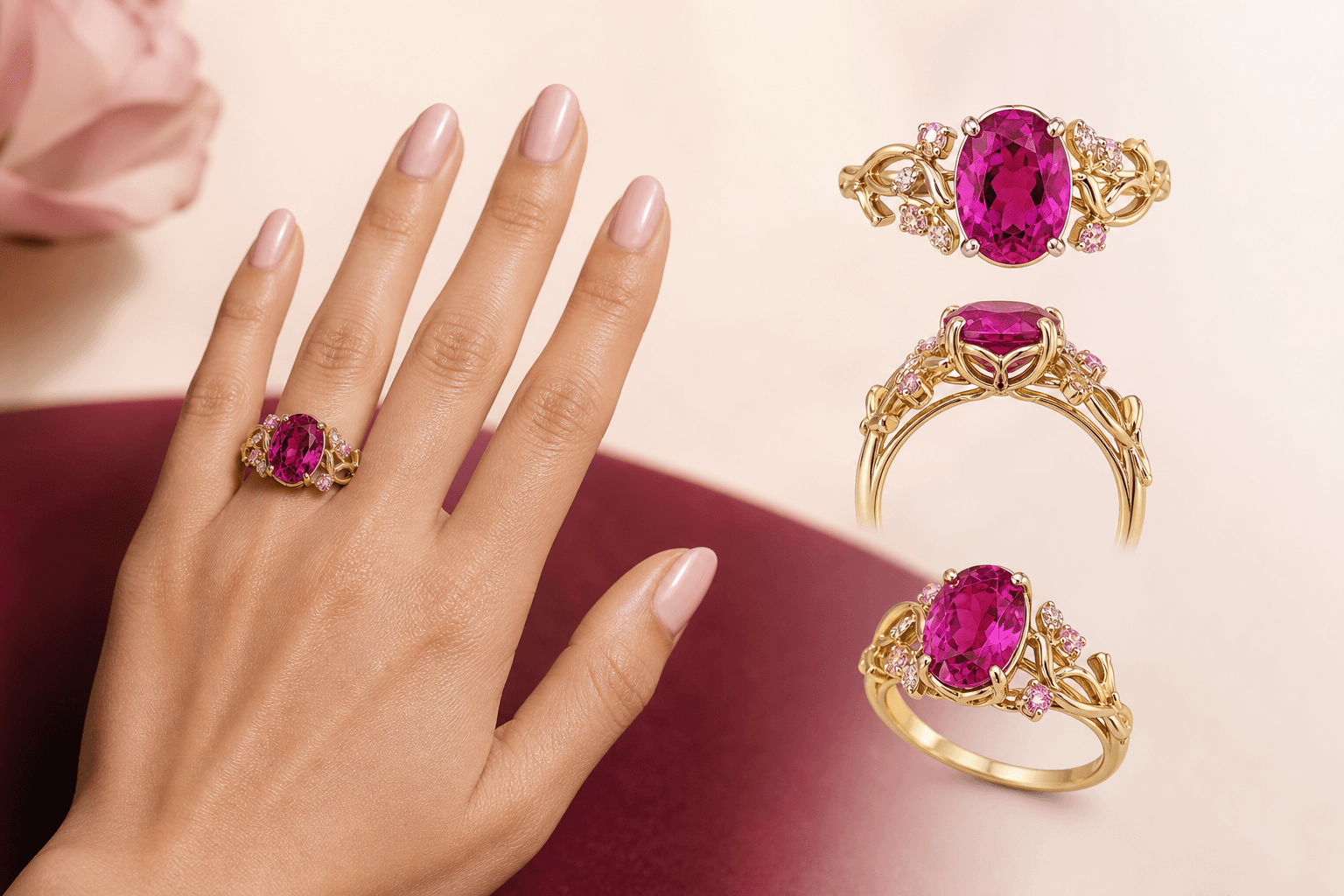
  • Stone type or open stone direction, shape, size range, color priorities, report needs, and budget question without inventing a price.
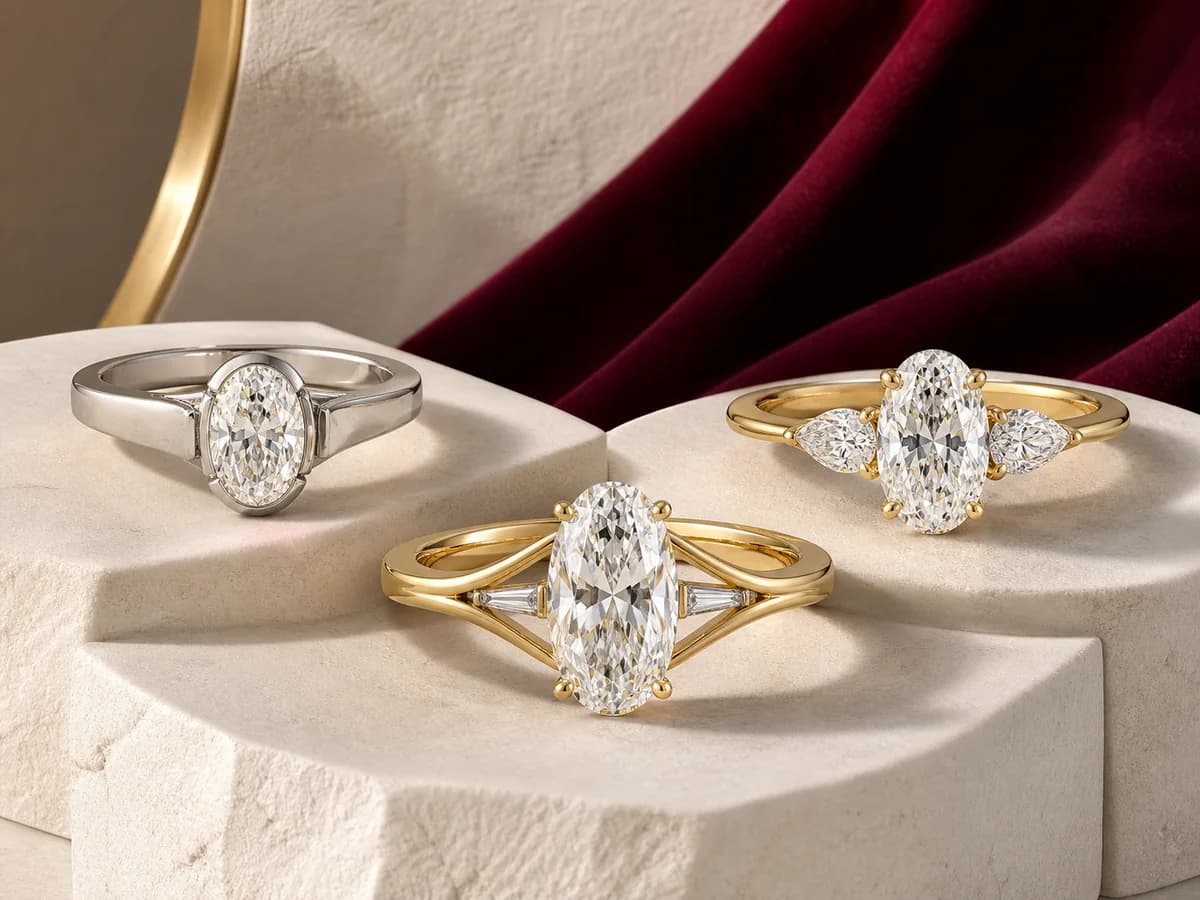
  • Setting family, metal direction, profile height, side-stone or halo preference, and how the ring should meet a future or existing band.
  • Exact finger and current size evidence, comfort needs, resizing questions, care expectations, and a professional sizing fallback.
  • What the concept must communicate now and what remains for human stone, construction, rights, and quote review.

Move from story to a checked concept

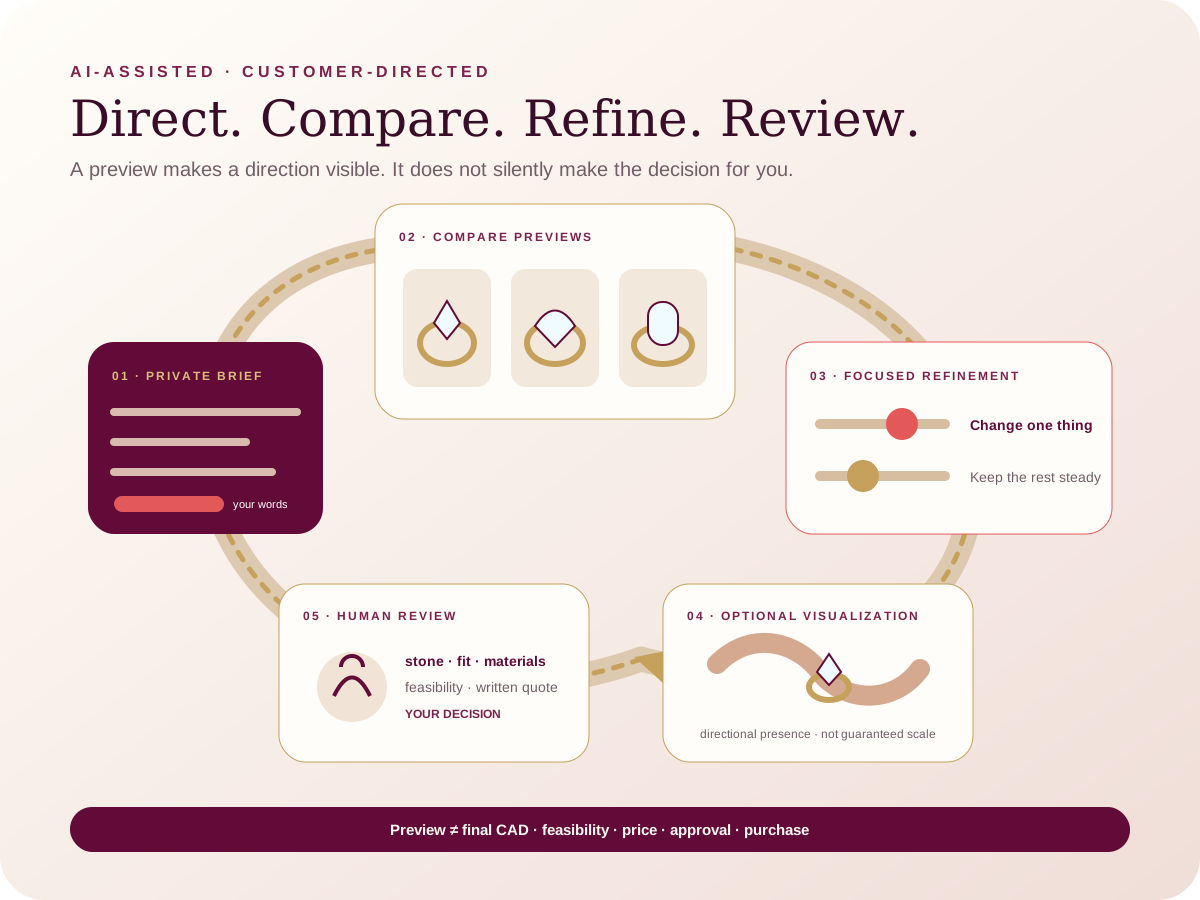
Each step narrows a decision without converting a concept image into a production promise.

  1. Frame — Name the emotional and wearing context

    Describe the meaning, recipient or wearer, routine, preferred mood, and any practical concern that should guide the design conversation.

  2. Direct — Specify the visible jewelry choices

    Add the stone, setting, metal, profile, proportions, band relationship, and include-or-avoid details clearly enough to compare concept directions.

  3. Review — Check the exact ring before quoting

    Confirm the selected stone record, dimensions, setting support, fit, comfort, construction, rights, changes, and current service scope with qualified people.

The image is a direction, not the ring

Concept boundary

Generated details can be incomplete, inconsistent, or impossible to build. This guide does not verify originality, rights, stone identity, exact color, scale, hidden structure, fit, availability, price, timing, quote, approval, or production. The exact stone, dimensions, customer decisions, and human review control.

Engagement-ring concept questions

Do I need to choose the exact diamond before starting?

No. You can begin with parameters or a broad stone direction, but any later design or quote must resolve the exact current stone and its measurements before relying on it.

Can the first image be sent directly to production?

No. It is a concept direction. A human reviewer must translate the idea into verified dimensions, materials, stone support, fit, construction, and an accepted quote path.

Continue exploring

Related guides