Band width changes the feeling of fit
Use a sample close to the planned width whenever possible instead of transferring one size blindly.
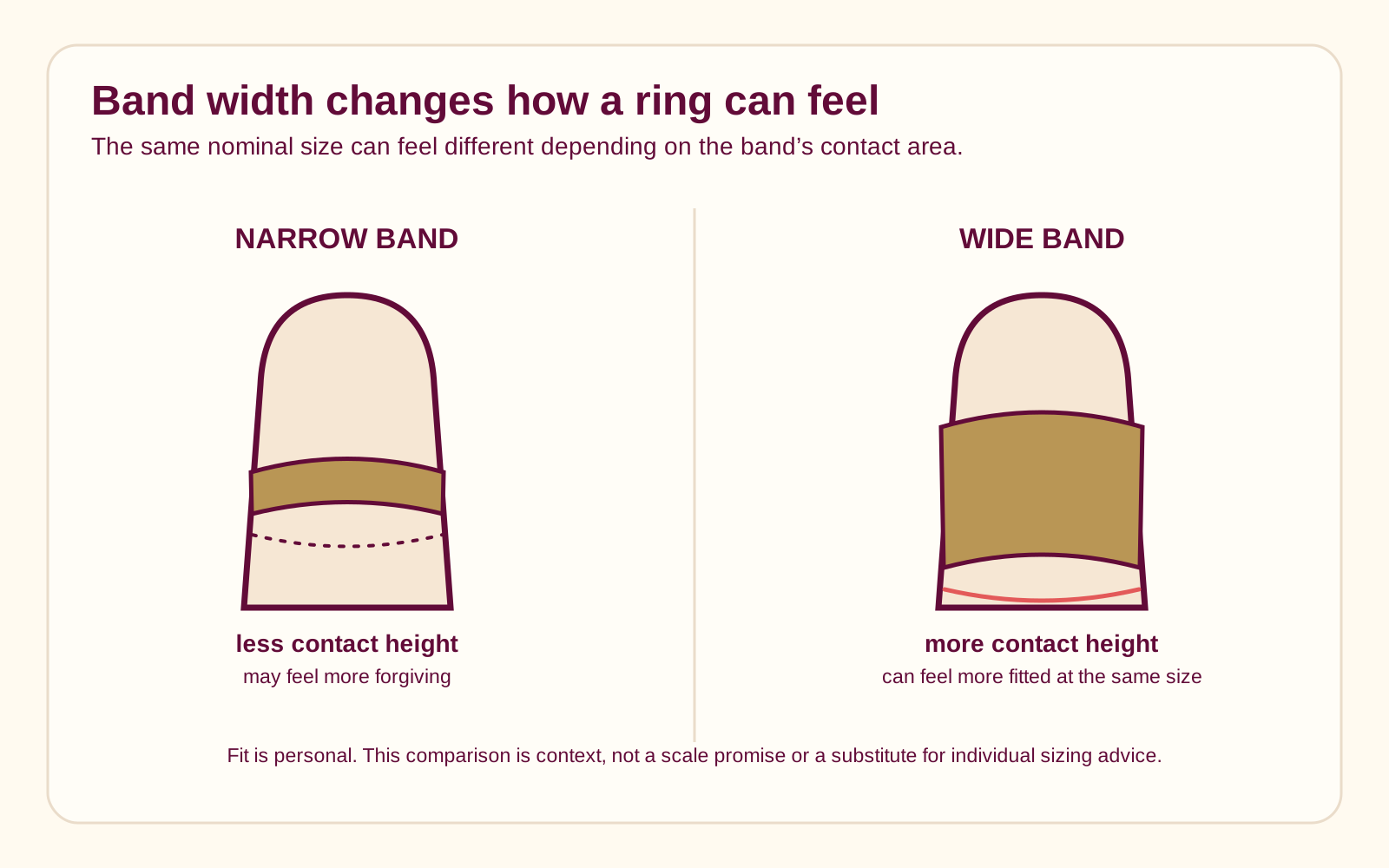
A wider band touches more skin and can feel snugger. Knuckle shape, finger base, stack width, profile, and comfort all belong in the review.
Band-width fit worksheet
Compare the width that will actually touch the finger.
A wider band or stack can feel different from a narrow gauge. Enter the planned contact width and keep the final size open until the intended width and interior are checked together.Enter 1–20 mm. For a stack, use the combined width that will sit together on the finger.
Fit, wear & care—considered together
A clearer decision, with the important context kept beside it
Band width changes how much of the finger the ring touches. Compare the exact width you plan to wear, not only the size from a narrow sample ring.
Use this page when
- Your design is wider than the gauge or ring used for measurement.
- You plan to wear an engagement ring and band as a stack.
Pause and choose another path when
- You want a universal rule to add one fixed amount to every wide ring.
- You do not yet know whether the design is tapered, comfort fit, open, or stacked.
Where this choice often matters
- Choosing a substantial wedding band.
- Planning a bridal stack or multiple everyday rings.
Compare the details
Width changes the fit question
The exact width and interior profile belong beside the size, not in a separate forgotten note.
| Direction | Measure | Notice | Review |
|---|---|---|---|
| Narrow band | Exact contact width | Less finger contact | Gauge width should be comparable |
| Medium band | Millimeters at the base | More contact and resistance | Try a similar-width gauge |
| Wide band | Full interior contact | Can feel tighter at one named size | No universal size-up rule |
| Stack | Combined worn width | Rings affect one another | Test together when possible |
Questions worth asking
Open the concern that sounds like yours
Choose the question that sounds like yours. Each answer keeps the next step clear without closing decisions that still need review.
Should I always size up for a wide band?
No fixed adjustment works for every finger and band. Compare with a similar-width gauge and review the exact interior.
Does comfort fit solve the issue?
It changes the interior contact, but the exact profile and width still need a wearer check.
What if I will sometimes wear the rings separately?
Record both the single-ring and stacked use so the tradeoff stays visible.
Ready when you are
Carry this direction into your design
Leyloon can keep these choices together while you continue. Every detail stays editable. Your choices stay editable as you continue.
- Known or measured size directionNeeded before the direction is complete
- Exact band or combined stack widthA useful next question
- Interior profile and taperKeep it open if you are still deciding
- Separate and stacked wear notesKeep it open if you are still deciding
Start with what matters on this page
Choose the full contact width before judging fit
A wide band, narrow band, and ring stack can feel different on the same finger. Keep the exact width and measurement source private without applying a universal size adjustment.Published customer proof
Real experiences, kept separate from promises
Only approved purchase-linked reviews appear here. An illustrative scene is never presented as a customer, and one person’s experience is never treated as a promise for another piece.See what Leyloon customers have shared
Read recent shop reviews on Etsy, then come back when you are ready to shape your own fit and jewelry direction.
These reviews reflect individual Leyloon service experiences. Your fit and jewelry direction and quote request are reviewed on their own.