A clasp is part of the design experience
Choose security, ease of use, scale, and appearance around the person who will wear the necklace.
A strong clasp that is difficult for the wearer to operate may not be the most useful choice. Chain weight, pendant value, dexterity, and routine belong together.
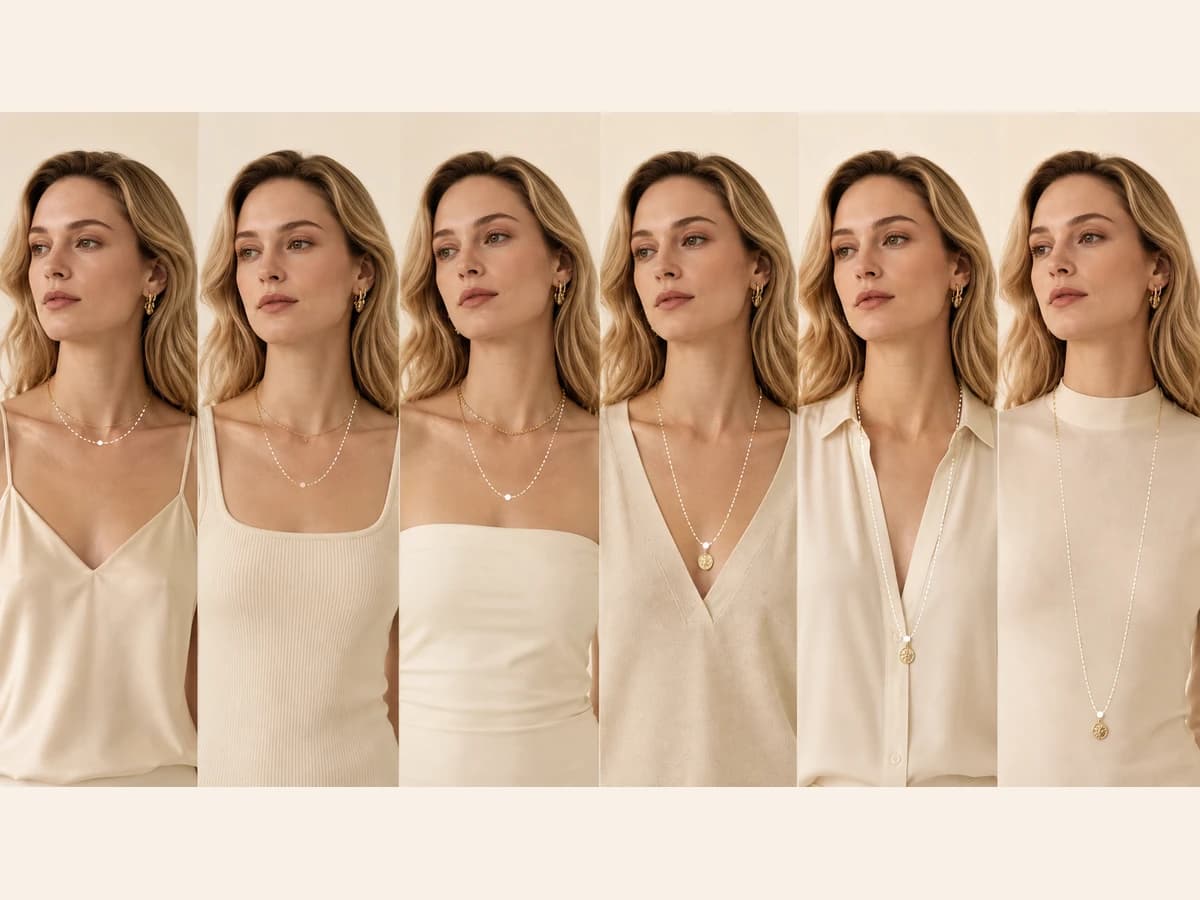
Fit, wear & care—considered together
A clearer decision, with the important context kept beside it
Choose a clasp by the hand motion it asks of you, the necklace it must support, and the way you plan to wear it—not by one ‘best clasp’ label.
Use this page when
- You want to compare pinch, pull, twist, hook, slide, or magnetic actions.
- The wearer has a clear preference about one-handed use or fine-motor effort.
Pause and choose another path when
- A healing or injured area needs medical advice.
- You expect one closure to be guaranteed secure for every chain and activity.
Where this choice often matters
- Designing a daily necklace that is easier to put on.
- Choosing a secure reviewed closure for a meaningful pendant or gift.
Compare the details
Clasp comparison by action
Compare the real hand motion each clasp requires, while keeping exact ease and accessibility open for review.
| Clasp direction | Hand action | Useful question | Review with |
|---|---|---|---|
| Lobster-style | Pinch lever and guide ring | Can the wearer pinch and align? | Chain weight and lever size |
| Spring ring | Pinch small tab | Is the tab comfortable to find? | Scale and dexterity |
| Toggle | Guide bar through loop | Is the motion easy and the balance suitable? | Pendant and chain weight |
| Magnetic or specialty | Bring parts together | Is it suitable for the wearer and use? | Exact closure and professional guidance |
Keep your direction organised
The complete choice groups for this decision
Choose a clasp by the hand motion it asks of you, the necklace it must support, and the way you plan to wear it—not by one ‘best clasp’ label. The groups below keep related choices together, and every selection stays editable when you continue.
Which motion feels manageable?
Keep every direction that fits.
- Pinch a leverLobster or spring-ring direction.
- Guide a hook or barToggle or hook direction.
- Twist or screwNeeds rotation and alignment.
- Bring two parts togetherSpecialty closure; review suitability.
What must the clasp support?
Keep every direction that fits.
- Light chainSmall scale may be appropriate.
- Meaningful pendantKeep its weight visible.
- Layered necklaceAvoid hidden tangling assumptions.
- Frequent wearInclude care and inspection access.
Questions worth asking
Open the concern that sounds like yours
Choose the question that sounds like yours. Each answer keeps the next step clear without closing decisions that still need review.
Which clasp is most secure?
Security depends on the exact construction, wear, chain, weight, and condition. Compare those together.
What is easiest with one hand?
Choose the motion the wearer can comfortably perform and test the actual scale and resistance.
Can a magnetic clasp work for everyone?
No. Suitability can involve the exact design and personal medical considerations; ask the appropriate professional when relevant.
Ready when you are
Carry this direction into your design
Leyloon can keep these choices together while you continue. Every detail stays editable. Your choices stay editable as you continue.
- Preferred hand action and clasp directionNeeded before the direction is complete
- Chain construction and weightA useful next question
- Clasp scale and necklace lengthKeep it open if you are still deciding
- One-handed use, dexterity preference, pendant, and wear routineKeep it open if you are still deciding
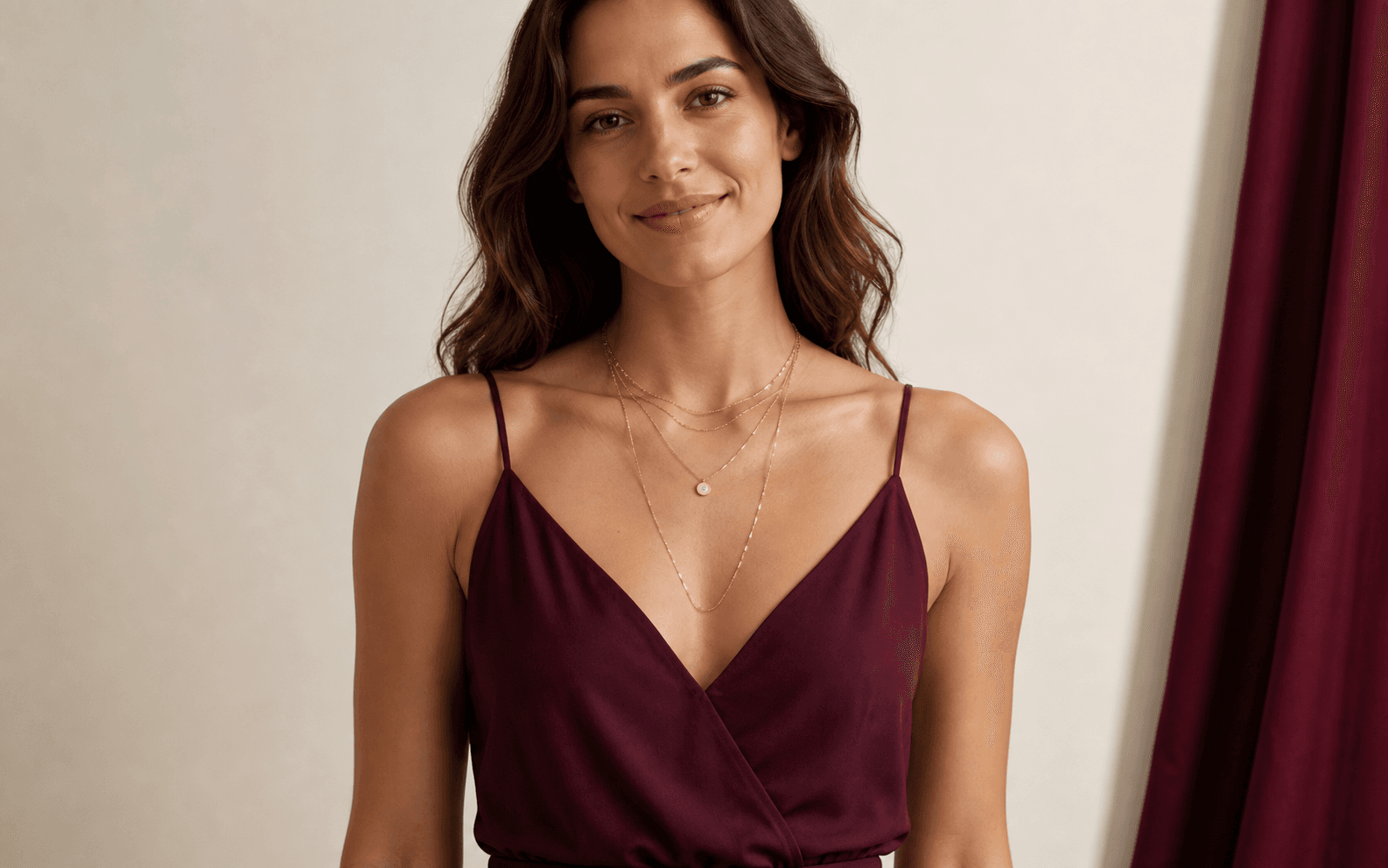
A visual map of this brief
See what stays known—and what remains open
This guide begins with “Choose a necklace clasp for security, dexterity, scale, and the way it is worn.” The next choices stay grouped, editable, and connected to that same Atelier brief.
- Length and placementChoose where the necklace should sit; pendant size and body proportions can change the result.
- Chain structureChoose the complete chain family before thickness and pendant details.
- ClaspChoose closure security and ease separately from the chain pattern.
- Visual characterPick the feeling you want the design to communicate.
Start with what matters on this page
Choose a clear starting direction
Choose what you know now. Every choice remains editable in Atelier, and you can leave anything else open.Published customer proof
Real experiences, kept separate from promises
Only approved purchase-linked reviews appear here. An illustrative scene is never presented as a customer, and one person’s experience is never treated as a promise for another piece.See what Leyloon customers have shared
Read recent shop reviews on Etsy, then come back when you are ready to shape your own wearable jewelry direction.
These reviews reflect individual Leyloon service experiences. Your wearable jewelry direction and quote request are reviewed on their own.