Leyloon Atelier · Fancy-color lab diamond
Design a custom fancy-color lab diamond ring
Choose the color direction first, but keep the exact stone open until its current record and appearance can be reviewed together.
Begin with the color feeling and ring style you enjoy. Leyloon then reviews an exact current stone's identity, report, measurements, appearance, price, and availability with you.
Open Atelier to review or add your brief. Check its visibility setting before adding personal details or choosing to share anything.
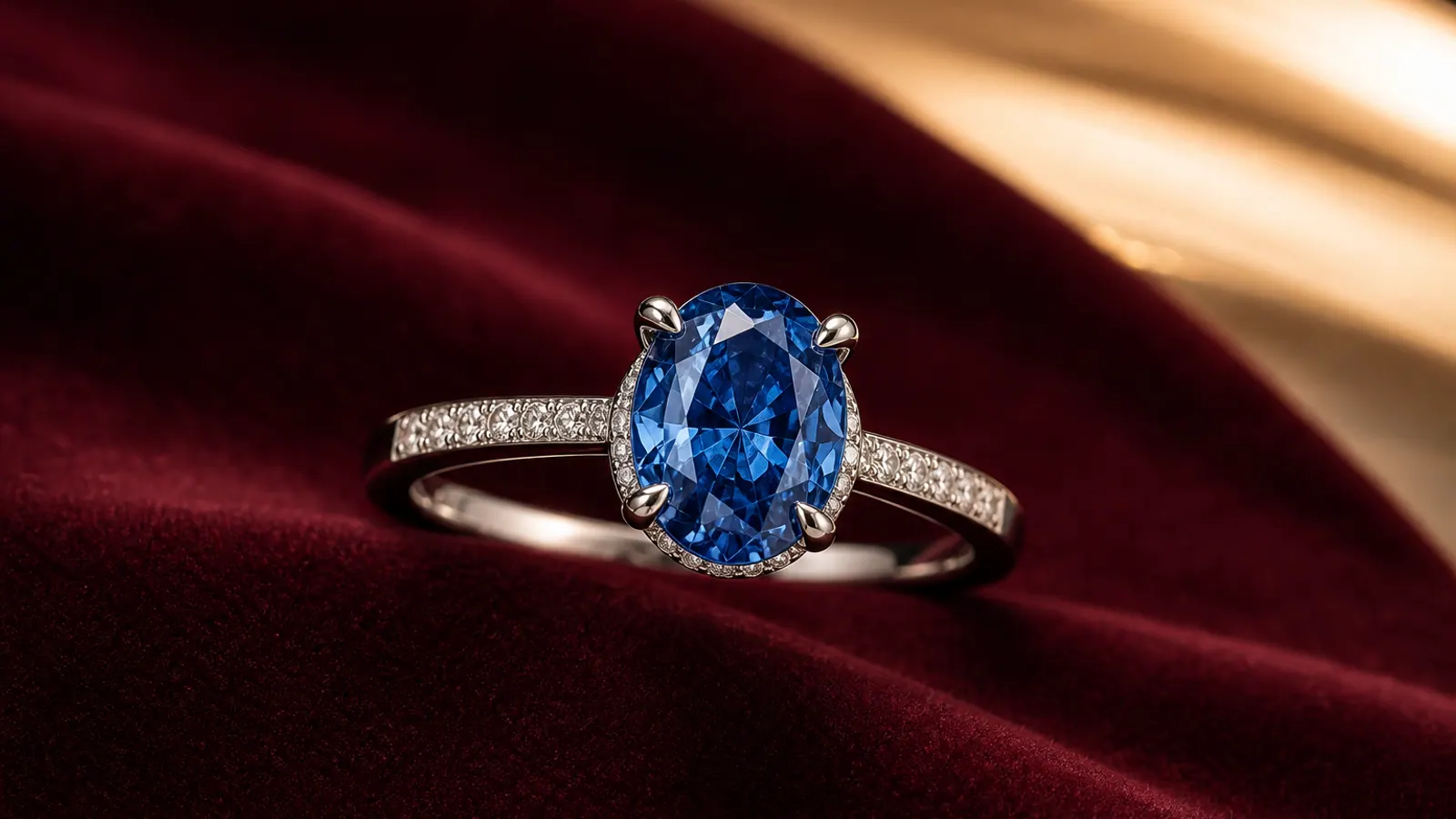
What to bring
Start with appearance, then verify the stone
Color names alone are not enough for the final choice.- 01
Color feeling
Describe the hue, softness or intensity, and how it should feel beside the metal.
- 02
Shape and setting
Choose a shape direction and the character you enjoy.
- 03
Exact-stone review
Compare identity, report, measurements, image, price, and availability.
Thoughtful guidance
Explore the decisions in detail
Begin with the color you enjoy, then read the exact stone's laboratory-grown disclosure and current report fields. Shape, measurements, growth method, post-growth treatment, price, currency, and availability are separate facts that must come from the current stone and human review.
An educational starting point for fancy-color laboratory-grown diamonds that keeps origin, color description, report fields, treatment disclosure, live inventory, and personal preference separate.
What this guide covers
- Choose a color direction without turning it into a value claim.
- Read the exact origin, report, measurements, and treatment disclosure.
- Use only current stone results for price and availability decisions.
Four ways to explore fancy color
This local hub provides education only. It lists no products, reports, offers, prices, inventory, saved filters, or customer data.
Color direction
Notice the main hue, strength, lightness or darkness, and any secondary color as described for the exact stone rather than from a screen alone.
Shape and cutting style
Keep outline, measurements, proportions, symmetry, polish, and the way the stone looks in motion separate from color preference.
Origin and treatment
Read laboratory-grown origin, growth method, and any disclosed post-growth treatment from the exact current report and seller description.
Live decision fields
Resolve report number, current price, currency, availability, seller, setting context, and total purchase terms only from current sources.
Move from color interest to a stone question
- 1 — Name the color you enjoy
Use a broad hue and intensity direction without calling it rare, valuable, better, or available.
- 2 — Choose the shape and scale context
Think about the intended jewelry, outline, visible measurements, and setting rather than carat weight alone.
- 3 — Read the exact disclosures
Check laboratory-grown origin, report laboratory and number, report fields, growth method, and post-growth treatment as applicable.
- 4 — Confirm the current result
Use the live stone page and human gemological review for identity, match, condition, price, availability, and setting questions.
Education is not a live fancy-color catalog
Coverage boundary
This hub cannot identify a stone, match a physical diamond to a report, establish rarity or value, rank beauty, verify color on a screen, clear rights, protect private data, or promise inventory, price, reservation, setting, timing, or delivery.
Fancy-color laboratory-grown diamond questions
Does a stronger color always mean a better stone?
No. Color preference is personal, and the exact stone's origin, report, measurements, cut or finish, treatment disclosure, setting, and price all remain separate decisions.
Can this hub show which fancy-color stones are available now?
No. It contains no live inventory. Use current stone results and confirm the exact item before relying on price or availability.
Does a report prove the seller has that stone?
No. Report data still needs to be matched to the physical stone, inscription where applicable, current seller, condition, and availability.
Continue exploring
Related guides
Helpful answers
Questions before you begin
- Is the first image a finished jewelry specification?
- No. It is a design preview. Leyloon reviews the structure, scale, materials, fit, price, and making details with you next.
- When do I receive a price?
- When a direction feels right, request a quote from it. Leyloon reviews the details and adds the price and available options to that same request.
When you are ready