Notice the details they repeat
Their existing jewelry can tell you more than a trend list ever will.
Look at the shapes they choose, the metal colors they return to, and how much presence feels comfortable. Save those clues, then bring them to a calm design conversation.
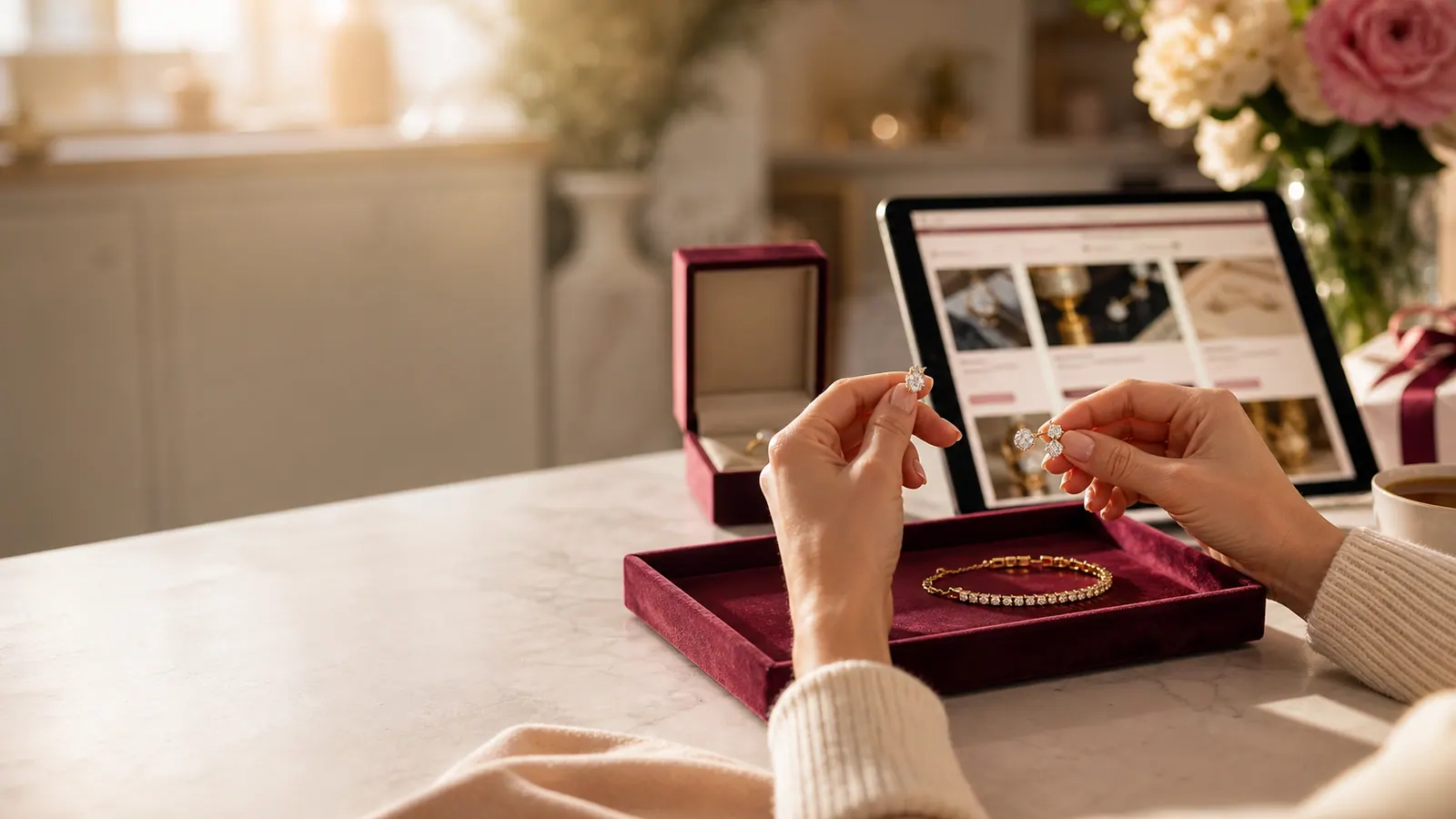
A thoughtful answer before the next step
How can I learn my partner's ring style for a surprise proposal?
What matters here
Look for repeated metal, scale, shape, profile, and motif clues; use hypothetical conversations or a trusted person when appropriate, and mark every inference as flexible.
Real ways this can begin
Find the path that feels closest to yours
A partner who wears low, smooth jewelry and avoids snagging pieces may value profile more than a named vintage or modern label.
Keep what you already know, then compare the open choices without starting over.
When the direction feels ready, start a design with these preferences and continue with the next open choice.
Compare the decision in context
Four clues that make learning a partner's ring style more considerate
For learning a partner's ring style, a thoughtful surprise leaves room for the wearer. Separate what you have observed from what you are estimating, and give practical fit or comfort questions the same attention as this occasion.
| Direction | What you know | How to use it | What not to assume |
|---|---|---|---|
| Metal tone | A partner repeatedly wears yellow gold and smooth, simple shapes. | Write the repeated choice behind the metal tone and where you noticed it. | One observation behind the metal tone is a starting clue, not permission to decide every style detail for the wearer. |
| Scale | You have had time to notice what they reach for repeatedly. | Connect the scale to comfort, movement, work, dressing habits, or how often the piece may be worn. | A special occasion does not erase the person’s everyday preferences. |
| Detail level | They save vintage-inspired details but choose small, practical pieces each day. | Record the source and confidence of the detail level. Keep it private and editable. | Treat the detail level as an estimate until the exact size, fit, or preference is confirmed. |
| Daily comfort | They mention colored stones often, yet their current rings sit close to the hand. | Choose the version that best connects the occasion with the metal tone. | Before the daily comfort moves further, ask which parts need the wearer’s input or Leyloon’s review. |
See how the choice changes
Three ways learning preferences without turning the person into a quiz result can begin
These examples show how learning preferences without turning the person into a quiz result may begin. They are planning scenarios, not customer stories or finished-piece promises.
A repeated preference becomes the starting point
A partner repeatedly wears yellow gold and smooth, simple shapes.
- Direction
- Note where you saw the metal tone and how often the person makes that choice. Use it to guide scale, color, or mood without copying an existing piece.
- Why it helps
- Repeated choices usually carry more weight than a single passing comment.
An unknown stays honest and editable
They save vintage-inspired details but choose small, practical pieces each day.
- Direction
- Label the detail level as an estimate, include its source, and compare a flexible alternative if the gift can express the same feeling another way.
- Why it helps
- The plan remains surprising without hiding a fit or comfort risk.
A private clue shapes a subtle detail
They mention colored stones often, yet their current rings sit close to the hand.
- Direction
- Write what this private clue contributes to the daily comfort, then translate it into a color, symbol, line, engraving, or other subtle design detail.
- Why it helps
- A personal clue can feel intimate without making the whole piece literal.
Questions people ask in plain language
Answers for learning preferences without turning the person into a quiz result
Open the answer that helps with learning preferences without turning the person into a quiz result. Each response stays tied to “How can I learn my partner's ring style for a surprise proposal?”
What makes learning a partner's ring style feel personal rather than generic?
Write down repeated choices, not one-off moments. For example, a partner repeatedly wears yellow gold and smooth, simple shapes. A specific observation about what the person wears, avoids, or values is more useful than choosing from a list of “safe” gifts.
How can I use the metal tone while keeping the detail level honest?
This path is useful when you have had time to notice what they reach for repeatedly. Record what you actually observed and keep the interpretation separate. One repeated preference can guide the first direction without becoming a claim about everything they would choose.
What should I do when the detail level is still unknown?
For example, they save vintage-inspired details but choose small, practical pieces each day. Keep the uncertainty visible, consider a more flexible jewelry type when appropriate, and let Leyloon know how the clue was found. Do not turn an estimate into a confirmed fact.
How can I keep the detail level private while using the metal tone?
For example, they mention colored stones often, yet their current rings sit close to the hand. Save size clues, memories, and questions in a private profile or message rather than placing sensitive details in a public link. You decide when and how the wearer joins the conversation.
When is the daily comfort ready for review alongside the scale?
This path is useful when you are ready to turn clues into a private design direction, not a false certainty. Bring the preferred direction, the known clues, and every important unknown together. Leyloon can review the specific piece without pretending that the missing size, material, or comfort information has already been resolved.
Carry the useful details forward
Keep the brief clear when you continue
Look for repeated metal, scale, shape, profile, and motif clues; use hypothetical conversations or a trusted person when appropriate, and mark every inference as flexible.
Write the person, relationship, occasion, and feeling behind the metal tone.
Record the source of the metal tone and whether it is a repeated preference.
Describe the scale with comfort, movement, handling, and wear frequency in mind.
Mark the detail level as known, estimated, or completely open.
Keep personal memories, measurements, and notes about the detail level together in your private Atelier brief.
Choose the daily comfort option that feels like the person, not just the event.
List the details behind the scale that can wait for Leyloon’s review or the wearer’s later input.
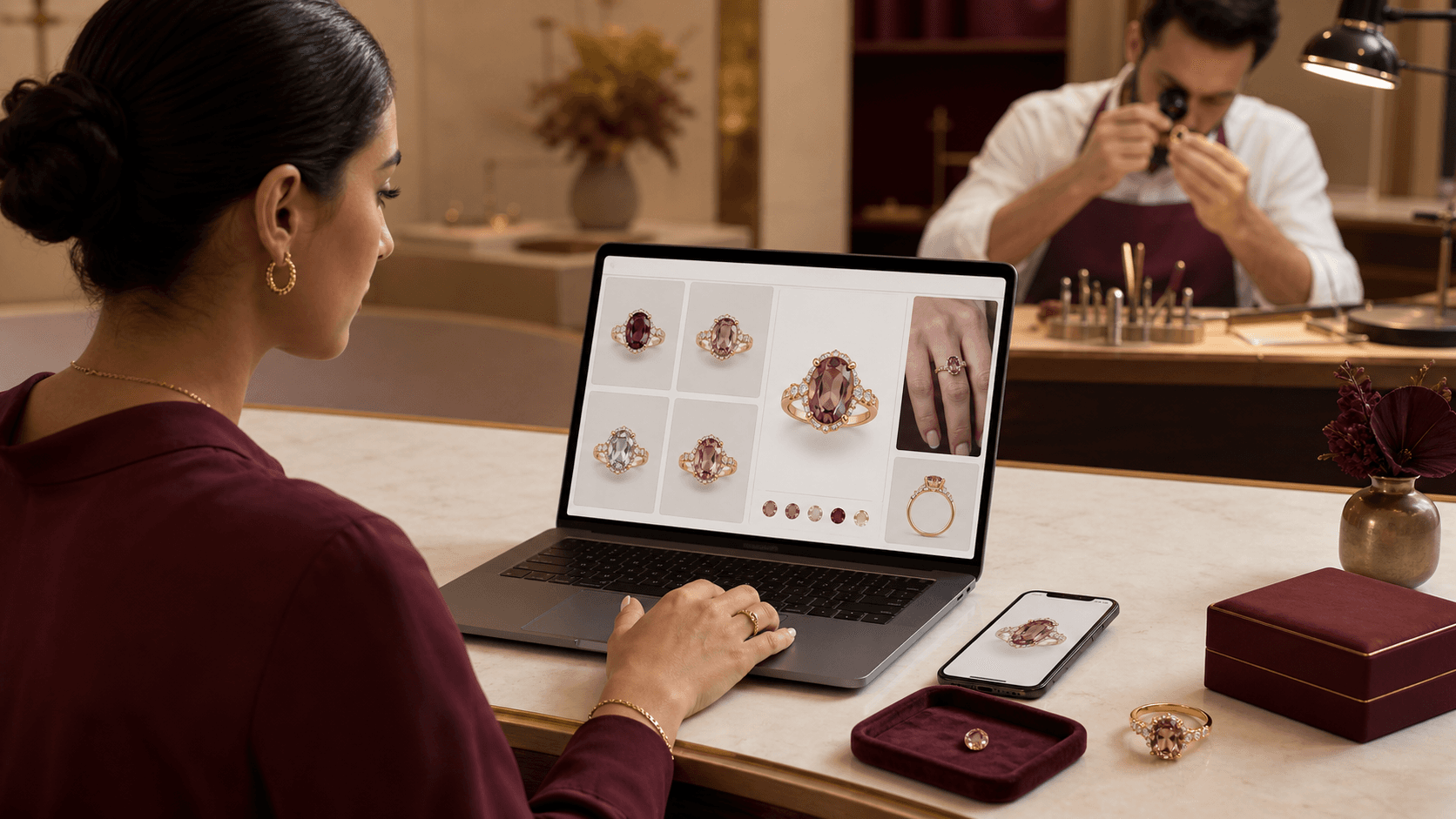
A visual map of this brief
See what stays known—and what remains open
This guide begins with “Learn a partner’s ring style through gentle observation.” The next choices stay grouped, editable, and connected to that same Atelier brief.
- Ring settingChoose one coherent structure for the center setting.
- Stone shapeChoose the complete outline family you want to start from.
- MetalChoose the primary metal direction. Alloy, finish, wear, and exact construction remain reviewable.
- Visual characterPick the feeling you want the design to communicate.
Start with what matters on this page
Choose a clear starting direction
Choose what you know now. Every choice remains editable in Atelier, and you can leave anything else open.Published customer proof
Real experiences, kept separate from promises
Only approved purchase-linked reviews appear here. An illustrative scene is never presented as a customer, and one person’s experience is never treated as a promise for another piece.See what Leyloon customers have shared
Read recent shop reviews on Etsy, then come back when you are ready to shape your own custom jewelry direction.
These reviews reflect individual Leyloon service experiences. Your custom jewelry direction and quote request are reviewed on their own.