Ask questions that belong to the exact stone
Use treatment and disclosure questions to understand the gemstone you are actually considering.
A treatment may affect description, care, value, or future service. Ask what is known for the exact stone and keep the answer with its report or assessment when supplied.
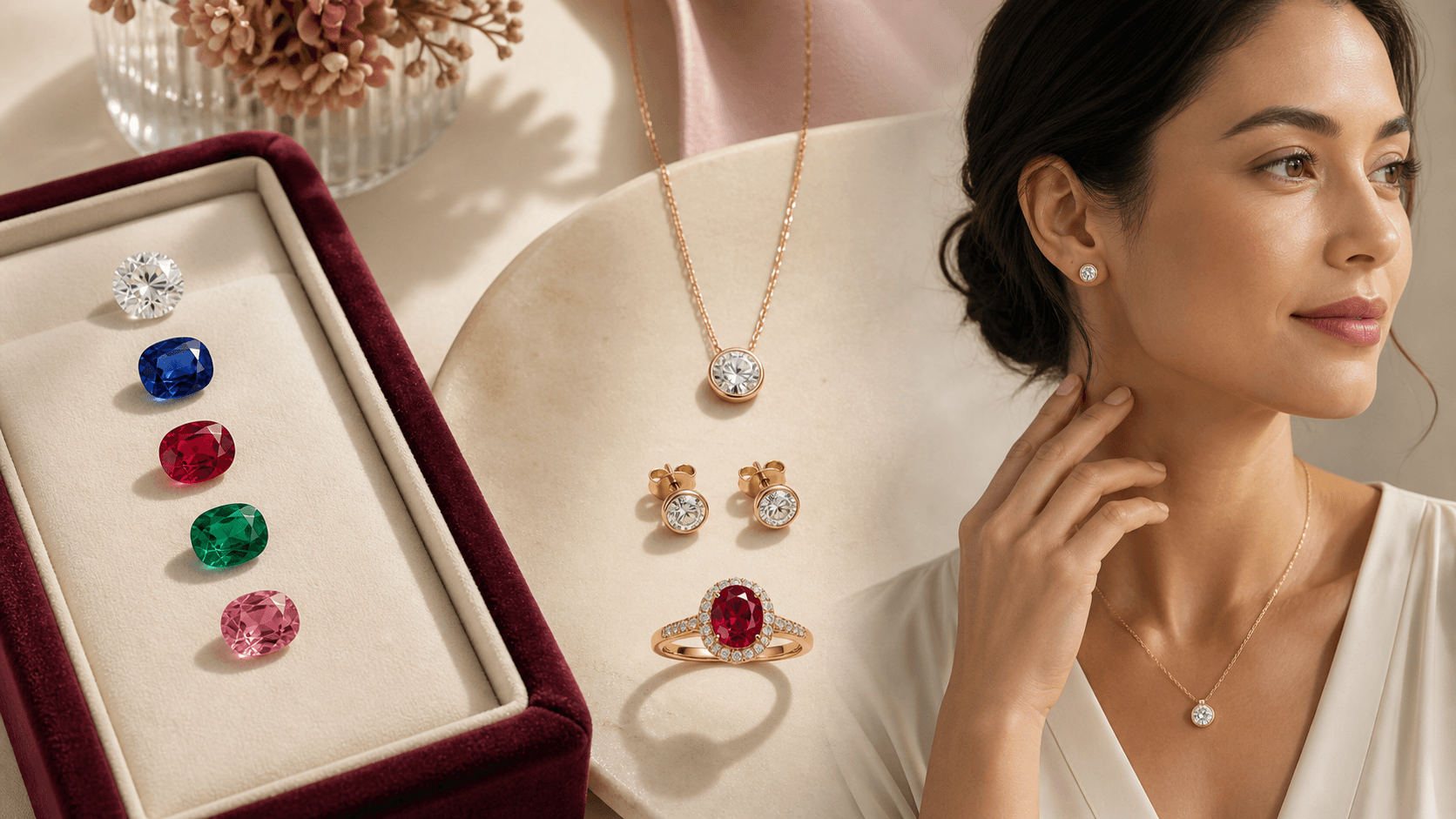
A clear answer for this stone choice
Ask exact-stone treatment questions that affect identity, appearance, permanence, care, service, or value without guessing from a photo.
A gemstone treatment may change color, clarity, durability, care, permanence, or value, depending on the material and method. Ask what is known for the exact stone and keep the answer with its report, assessment, listing, and sales documentation when supplied.
Do not diagnose treatment from a gateway image. Choose the question you need answered, attach a public stone reference or private document safely, and let Leyloon keep the response on the same design or quote request.
Who this can help
See whether this feels like your decision
- A buyer reading an unfamiliar treatment comment
- A colored-stone client concerned about cleaning or repair
- A shopper comparing natural, laboratory-grown, treated, and imitation terminology
Ways it may become part of your story
Meaning does not have to follow one occasion
- Exact-stone purchase
- Custom colored-gem design
- Heirloom reset or repair planning
Birthstone contextTreatment questions apply to birthstones and non-birthstones alike; the month does not prove treatment status.
One useful decision at a time
Which exact-stone question should Leyloon help clarify?
Use which exact-stone question should leyloon help clarify? to narrow “Ask exact-stone treatment questions that affect identity, appearance, permanence, care, service, or value without guessing from a photo.”. When one feels right, choose it in the selector on this page and carry that exact starting point into Atelier.
- Natural, laboratory-grown, or imitation?Clarify material and origin category.
- What treatment is detected or disclosed?Keep method-specific wording.
- Is the change permanent?Ask about stability over time.
- How should it be cleaned or serviced?Match care to material and treatment.
- What does the document say?Review the exact report or sales disclosure.
Compare without flattening the details
Keep four labels separate
| Decision | What it answers | What remains |
|---|---|---|
| Natural | Formed in nature | May still be treated |
| Laboratory-grown | Made in controlled conditions | Treatment remains a separate question |
| Treated | Appearance or property changed | Does not by itself state origin category |
| Imitation/simulant | Different material used for a look | Must not be named as the imitated gem |
The exact evidence determines which labels apply; the table is not a diagnosis.
Questions worth asking before you decide
Open the question that is already on your mind
Can I see treatment in a photo?
Usually not reliably; qualified testing and exact disclosure matter.
Does treatment automatically make a gem bad?
Avoid a universal judgment; understand the method, permanence, care, disclosure, and purchase context.
Does every stone have a report?
No. Refer only to documentation actually supplied for that stone.
From a direction to a piece you can approve
Know what happens after the first design
For “Ask exact-stone treatment questions that affect identity, appearance, permanence, care, service, or value without guessing from a photo.”, a design preview is the beginning, not an automatic production promise. Leyloon reviews the stone, fit, materials, price, and making details with you before you choose whether to buy.
- Design reviewLeyloon reviews the customer's selected disclosure question with the intended piece, setting, fit, style, and routine.
- Exact-stone reviewExact-stone decisions use only the exact stone record and privately supplied document.
- Quote requestLeyloon adds available options, price, and status to the same quote request for the clarified evidence and treatment-aware design.
- Your approval choiceFor “Ask exact-stone treatment questions that affect identity, appearance, permanence, care, service, or value without guessing from a photo.”, any offered exact-stone or pre-shipment media choice is recorded on that same request before the applicable next step.
- Requests & ordersRequests & orders keeps the active “Ask exact-stone treatment questions that affect identity, appearance, permanence, care, service, or value without guessing from a photo.” request, messages, revisions, quote options, and resulting order state together.
Continue without starting over
Atelier keeps what you already know
The details you have already chosen for “Ask exact-stone treatment questions that affect identity, appearance, permanence, care, service, or value without guessing from a photo.” remain selected and editable. You continue from the next relevant choice, without having to repeat the beginning.
Private details stay private. Any notes, personal measurements, uploaded references, or exact-stone documents used to refine “Ask exact-stone treatment questions that affect identity, appearance, permanence, care, service, or value without guessing from a photo.” stay with your design request and are not placed in a shareable web address.
- Piece
- Ring
- Next step
- Your next unanswered choice
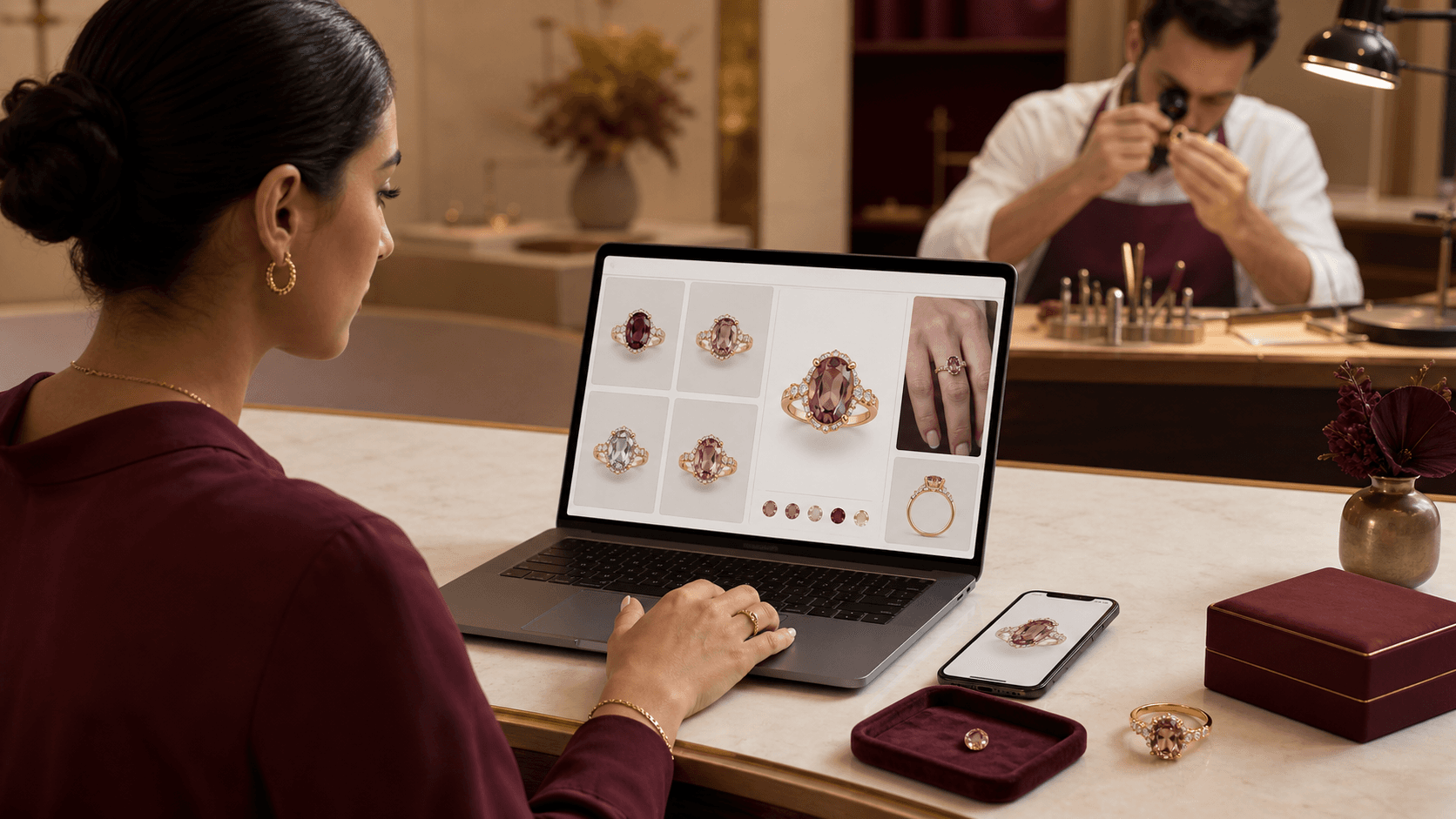
A visual map of this brief
See what stays known—and what remains open
This guide begins with “Ask what is known for the exact gemstone and keep the answer with it.” The next choices stay grouped, editable, and connected to that same Atelier brief.
- Piece to designChoose one piece. The following questions adapt inside Atelier.
- Laboratory-grown gemstoneChoose the gemstone first. The color choices will adapt to an exact named choice; choose another gemstone to leave its type open for Atelier.
- Color directionThese choices follow the gemstone above. Exact shade still belongs to the stone you review.
- Stone shapeChoose the complete outline family you want to start from.
Start with what matters on this page
Choose the stone before its color and setting
Start with the piece and gemstone choice. The later choices should follow that decision, not compete with it.Published customer proof
Real experiences, kept separate from promises
Only approved purchase-linked reviews appear here. An illustrative scene is never presented as a customer, and one person’s experience is never treated as a promise for another piece.See what Leyloon customers have shared
Read recent shop reviews on Etsy, then come back when you are ready to shape your own stone-led jewelry direction.
These reviews reflect individual Leyloon service experiences. Your stone-led jewelry direction and quote request are reviewed on their own.