Comfort after healing
Choose continuous-wear earrings around your routine, not only their appearance.
Once a piercing is healed, consider weight, projection, backs, edges, sleep, movement, and the condition of the jewelry together.
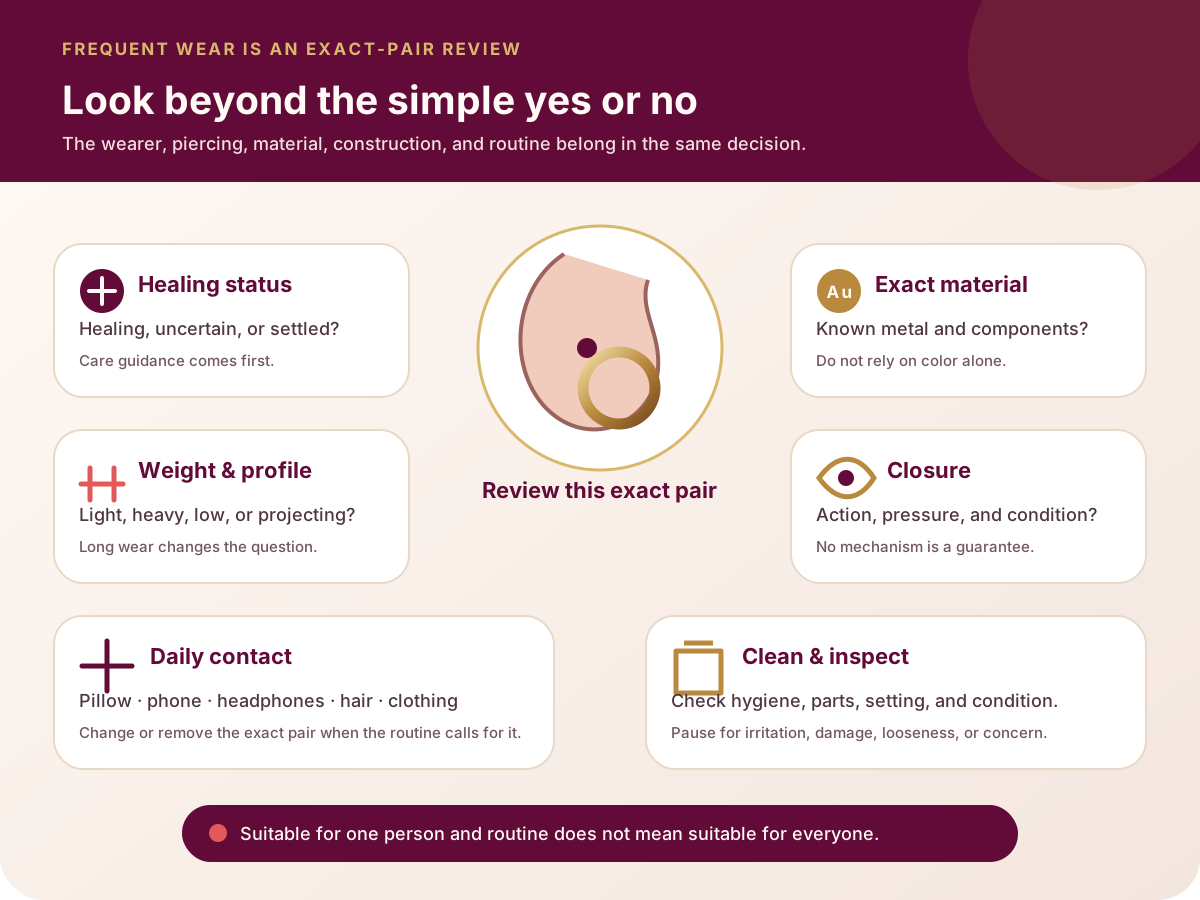
Care answer before jewelry choices
Review the exact pair and the real wear routine
Organizes frequent wear around healing status, known material, weight and profile, closure, contact, cleaning, and inspection rather than naming one pair suitable for everyone.
Once a piercing is healed, frequent wear becomes an exact-pair decision. Notice material, smoothness, weight, closure, hygiene, sleep, and the activities around it together.
Use this page when
- The piercing is healed and you are choosing jewelry for frequent wear.
- You want to compare backs, weight, hair/phone contact, sleep, and cleaning access.
Pause and choose another path when
- The piercing is new, irritated, painful, swollen, or producing discharge.
- You want one product called safe for everyone, every activity, and every night.
Where this choice often matters
- Choosing low-profile everyday studs or small hoops.
- Designing a pair for long workdays, travel, or a simple daily routine.
Compare the details
Extended-wear review
Frequent wear is an exact-pair and wearer decision, never a universal promise to keep every earring in all the time.
| Question | Helpful direction | Reconsider | Review with |
|---|---|---|---|
| Piercing status | Clearly healed | Healing or uncertain | Piercer |
| Material | Exact disclosed material | Unknown or irritating | Exact specification |
| Back and weight | Comfortable and smooth | Pressure or embedding | Actual pair |
| Routine | Cleaning and inspection possible | Sport, sleep, snagging conflict | Wear plan |
Questions worth asking
Open the concern that sounds like yours
Choose the question that sounds like yours. Each answer keeps the next step clear without closing decisions that still need review.
Can I sleep in earrings every night?
No answer fits every piercing and earring. Consider healing status, profile, pressure, closure, material, and qualified advice.
Does solid gold mean no irritation?
Exact alloy matters, and no material can be promised suitable for everyone.
What if I never take them out to clean?
The design should allow appropriate hygiene and inspection; ask a qualified piercer about your exact routine.
Care comes first
Settle the care question before choosing new jewelry
Once the piercing or care concern is resolved, you can return to the design path without guessing. Your choices stay editable as you continue.
- Frequent-wear formNeeded before the direction is complete
- Back or closureNeeded before the direction is complete
- Exact material directionKeep it open if you are still deciding
- Post, hoop, or face dimensionsA useful next question
- Healed-status gate, weight, contact, hygiene, and routineKeep it open if you are still deciding
Extended-wear planner
Start with the piercing, then compare the exact earring and the real routine.
No earring is universally suitable for wearing all the time. Weight, projection, surface, post, closure, stones, condition, cleaning, sleep, and activity all change the answer.These details stay private in this browser and do not appear in the public link. Every choice remains editable in Atelier.

A visual map of this brief
See what stays known—and what remains open
This guide begins with “Everyday earrings should suit your ears, routine, and the way you rest.” The next choices stay grouped, editable, and connected to that same Atelier brief.
- Before choosing earringsKeep the care question separate from the future design. This is private context, not a diagnosis or a promise that a piercing is ready for a jewelry change.
- Where will the pair meet everyday life?Choose the real contact and handling moments. No earring is promised to be suitable for continuous wear for every person.
- Earring formChoose the complete silhouette family before scale and closure.
- Backing or closureChoose the closure as a separate comfort and security decision.
Published customer proof
Real experiences, kept separate from promises
Only approved purchase-linked reviews appear here. An illustrative scene is never presented as a customer, and one person’s experience is never treated as a promise for another piece.See what Leyloon customers have shared
Read recent shop reviews on Etsy, then come back when you are ready to shape your own jewelry question.
These reviews reflect individual Leyloon service experiences. Your jewelry question and quote request are reviewed on their own.